

Tooth Filling

Fix Cavities and Restore Your Teeth
A tooth filling is a common dental treatment used to repair a tooth damaged by decay. It prevents decay from worsening and restores the tooth’s shape and function. Early treatment with a filling keeps the tooth healthy and avoids more complex care later.
Many people feel nervous before a filling, but modern dentistry makes the process quick and comfortable. Dentists use local anesthesia when needed to control pain. With proper care, a filled tooth works well for years.
This guide explains why fillings are needed, what materials are used, and what to expect before, during, and after the procedure. The language is simple, so patients can understand the steps and make informed choices. If you have new tooth pain or sensitivity, consider seeing your dentist early.
When is a tooth filling needed?
Fillings are needed when tooth decay creates a cavity in the enamel or dentin. Early signs include sensitivity to cold or sweet foods and small visible holes. A dentist confirms the cavity with an exam and often an X-ray.
If decay is limited to the enamel, a small filling can fully restore the tooth. When decay reaches the dentin, a larger filling is needed to remove infected tissue and rebuild strength. Treating early prevents pain, infections, and the need for a root canal or extraction.
Sometimes fillings are used to repair broken, worn, or chipped teeth even without decay. They restore chewing ability and prevent further damage. Your dentist will suggest the best timing and material based on the size and location of the defect.
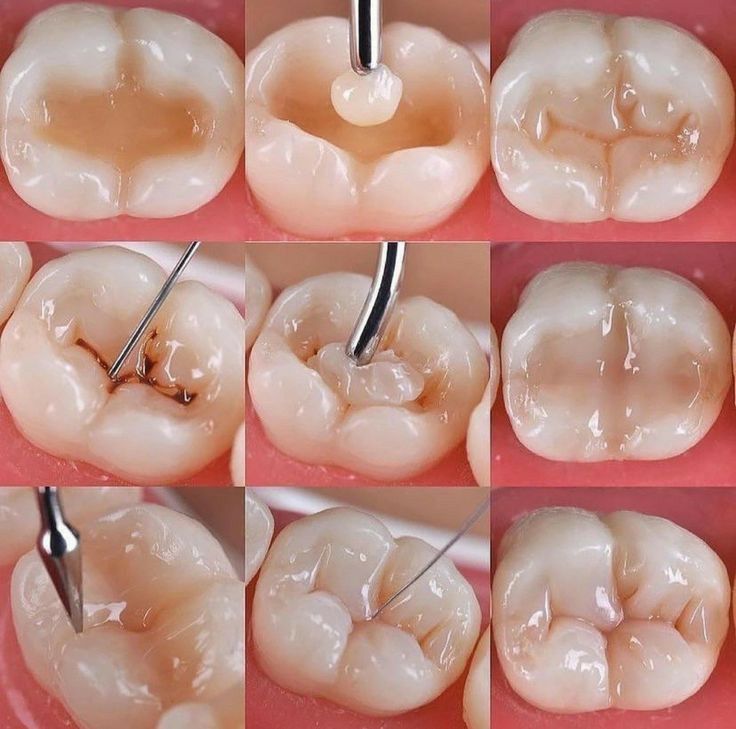
Types of filling materials
Common filling materials include composite resin, glass ionomer, amalgam, and ceramic. Composite resin is tooth-colored and blends naturally with surrounding teeth. Glass ionomer releases fluoride and may be used for children or root lesions.
Amalgam (metal) fillings are very durable and cost-effective, often used in back teeth. Ceramic or porcelain fillings are more aesthetic and resist staining, but may cost more. The dentist recommends a material based on strength needs, appearance, cost, and tooth position.
Each material has pros and cons, like durability, appearance, and bonding ability. Composite and ceramic are preferred for visible teeth, while amalgam can be chosen for heavy chewing areas. Discuss options with your dentist to match your needs.
The filling procedure: step-by-step
First, the dentist examines the tooth and takes X-rays if needed to assess decay depth. Local anesthesia may be used to numb the area and keep you comfortable during the procedure. The dentist then removes the decayed tissue with a drill or laser.
Next, the tooth is cleaned and prepared so the filling bonds well and no bacteria remain. For composite fillings, layers are placed and cured with light to harden each layer. The dentist then shapes and polishes the filling to match the bite and smooth the surface.
Finally, the dentist checks your bite and makes small adjustments if needed to prevent uneven chewing. Temporary sensitivity is normal but usually fades in days to weeks. Your dentist will explain any follow-up steps and when to resume normal eating.
Aftercare and recovery
After a filling, avoid chewing hard foods on the filled tooth for at least a few hours if anesthesia was used. A mild sensitivity to hot, cold, or pressure is common for a short time. Use over-the-counter pain relief if needed and follow your dentist’s instructions.
Keep good oral hygiene—brush twice daily with fluoride toothpaste and floss once a day—to protect the filled tooth from new decay. Attend regular dental checkups so the dentist can monitor the filling and surrounding teeth. Promptly report severe or lasting pain, swelling, or a broken filling.
If a filling feels high or your bite feels off, return to the dentist for an adjustment. Early corrections prevent jaw pain and uneven wear. Small fixes are simpler than letting problems persist.
Risks and possible complications
Fillings are safe, but risks include short-term sensitivity, allergic reaction, or failure of the filling material. Sensitivity usually fades; persistent pain may mean another visit is needed. Allergic reactions to certain materials are rare but possible.
A filling can crack, leak, or fall out over time, which lets bacteria re-enter and cause new decay. Large fillings may weaken the tooth’s structure, increasing the risk of fracture. If a filling fails, options include repair, replacement, crown, or further treatment.
In rare cases, deep decay under a filling reaches the pulp and needs root canal treatment. Good technique in placement and routine dental care lowers these risks. Discuss material concerns or medical history with your dentist before treatment.

Longevity, maintenance, and cost factors
The life of a filling depends on the material, oral habits, and bite forces. Composite fillings may last 5–10 years, while amalgam can last longer in some cases. Ceramic and gold restorations may last even longer but cost more.
Avoiding hard foods, grinding, and poor oral hygiene extends filling life. Regular dental checkups let the dentist spot wear or leakage early and repair small issues. Good home care and low sugar intake reduce the need for replacement treatments.
Cost varies by material, tooth location, and clinic; aesthetic materials cost more. Investing in quality care and prevention often saves money long-term. Prioritizing your health over money always benefits the individual.