

Aphthous Ulcer Treatment

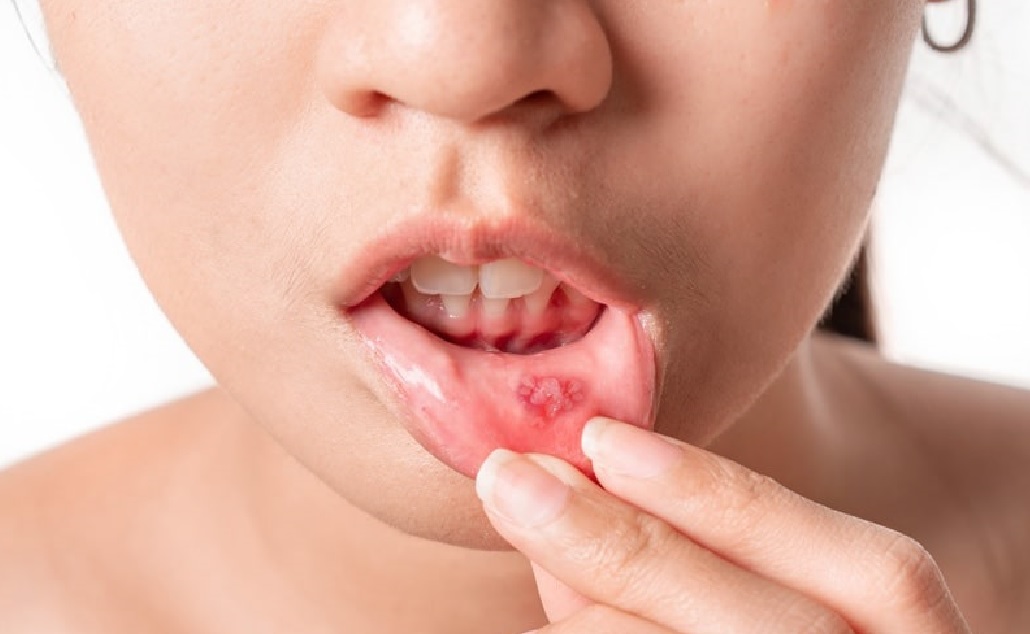
Aphthous Ulcer (Canker Sores): Causes, Symptoms & Treatments
Aphthous ulcers, also called canker sores, are small, shallow lesions that form on the soft tissues of the mouth or at the base of the gums. They are painful but not contagious and differ from cold sores, which typically appear on the lips. These ulcers can interfere with daily activities like speaking, chewing, or drinking. Although most canker sores heal naturally, repeated outbreaks can affect your quality of life.
Most ulcers heal within one to two weeks, but severe, unusually large, or persistent ulcers may require professional treatment. Timely recognition of symptoms can help manage discomfort and prevent complications. Awareness of triggers and preventive measures is essential to reduce recurrence.
Aphthous ulcers are more common in women and often first appear between the ages of 10 and 40. They can recur throughout life and may be influenced by lifestyle, nutrition, or oral hygiene habits. Understanding the basics helps in early detection and management.
Causes of Aphthous Ulcers
The exact cause of aphthous ulcers is not fully understood, but genetics and immune system responses are key factors. About 40% of cases run in families, suggesting a hereditary link. An abnormal immune response to proteins in the mouth may trigger inflammation, leading to ulcer formation.
Common triggers include:
- Sleep deprivation and emotional stress
- Mechanical trauma, such as accidental biting of the cheek or tongue
- Nutritional deficiencies, especially folic acid, iron, and vitamin B
- Certain foods and drinks, including acidic, spicy, or caffeinated items, eggs, cheese, peanuts, and almonds
- Sodium lauryl sulfate is found in some toothpastes.
- Hormonal changes during menstruation
- Medications for viral infections or angina
- Conditions affecting the immune system, such as celiac disease, HIV/AIDS, or inflammatory bowel disease
Identifying triggers is important for preventing future outbreaks. People who are aware of their risk factors can take steps to reduce the frequency and severity of canker sores. Lifestyle adjustments, proper nutrition, and careful oral hygiene often help in long-term management.
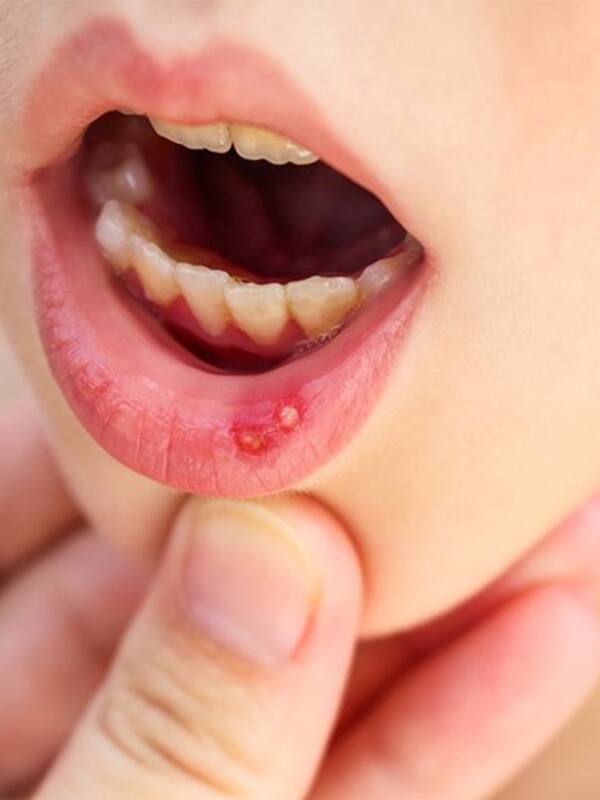
Symptoms of Canker Sores
Aphthous ulcers often begin with a tingling or burning sensation in the affected area. This is followed by the appearance of a red patch or small lump that develops into a painful ulcer. The discomfort usually lasts between 7 and 14 days and worsens with acidic, spicy, or salty foods.
Most ulcers are round or oval, with a white or yellow center and a red border. Severe cases may include multiple ulcers, swollen lymph nodes, or mild fever. The sores typically appear inside the mouth, including the tongue, inner cheeks, lips, gums, or soft palate.
Monitoring the size, location, and recurrence of ulcers is crucial. Frequent or unusually painful sores should prompt consultation with a dentist or healthcare provider to rule out underlying conditions. Proper observation ensures timely treatment and reduces complications.
When to Consult a Doctor?
Seek medical attention if your ulcers are unusually large, very painful, or do not heal within two weeks. Frequent recurrences or sores that overlap with previous ones also indicate the need for professional care. Early intervention helps prevent secondary infections and speeds up healing.
Other warning signs include ulcers affecting the lips (vermilion border), difficulty eating or drinking, or high fever associated with canker sores. Persistent pain that self-care methods cannot manage is another reason to consult a doctor. Professional evaluation is essential for people with underlying immune or health disorders.
Doctors can prescribe treatments to reduce pain, promote healing, and prevent further outbreaks. Timely care also minimizes disruptions to daily life caused by discomfort.
Treatment Options
Most aphthous ulcers resolve on their own, but several treatments can reduce pain and speed recovery. Topical gels or prescription medications can help minimize discomfort and inflammation. Chlorhexidine mouthwash may prevent secondary infections, while vitamin supplements address nutritional deficiencies that contribute to ulcers.
Ice application and avoidance of hot, spicy, or acidic foods provide temporary relief. For immediate pain relief, some clinics offer laser treatment, which can reduce discomfort almost instantly. Dental adjustments, such as correcting ill-fitting dentures, may also prevent recurring ulcers.
A combination of self-care and professional interventions ensures faster healing and reduces recurrence. Consistent oral hygiene and avoidance of triggers support long-term oral health.

Prevention of Aphthous Ulcers
Preventive strategies focus on lifestyle adjustments and oral care. Reducing stress through mindfulness, meditation, or relaxation techniques can decrease flare-ups. Using a soft-bristled toothbrush prevents mechanical trauma that may trigger ulcers.
Avoiding foods or drinks that irritate the mouth and addressing vitamin deficiencies can further lower the risk. Maintaining proper oral hygiene and drinking sufficient water support overall mouth health.
Rinsing with lukewarm saltwater or a mild antimicrobial mouthwash can soothe minor discomfort and aid in healing. Regular monitoring and preventive practices help reduce both the severity and frequency of aphthous ulcers.