

Bleeding Gums

Bleeding Gums: Causes, Symptoms, and Treatment
Bleeding gums can be a surprise for you when you’re brushing or flossing. It may seem small, but it can mean a great deal. Your mouth gives simple signs when something is not going right. Noticing the signs early helps you act fast and get the cure done.
At first, bleeding may come from brushing too hard or improper flossing. Dentures that do not fit well can also cause bleeding from the gums or mouth. Sometimes the cause is inside the body and needs a check-up. It is wise to learn the main reasons.
This short guide uses simple words to explain the basics. You will read about causes, symptoms, and common treatments. The steps shown are only from the facts you gave. Use this to talk to your dentist or doctor.
Early care can stop the problem from getting bigger. Regular dental visits help keep your gums strong. A healthy routine makes your smile safe for the long term. Simple changes in daily habits can reduce bleeding. Taking action now keeps your oral health protected.
What Actually are Bleeding Gums?
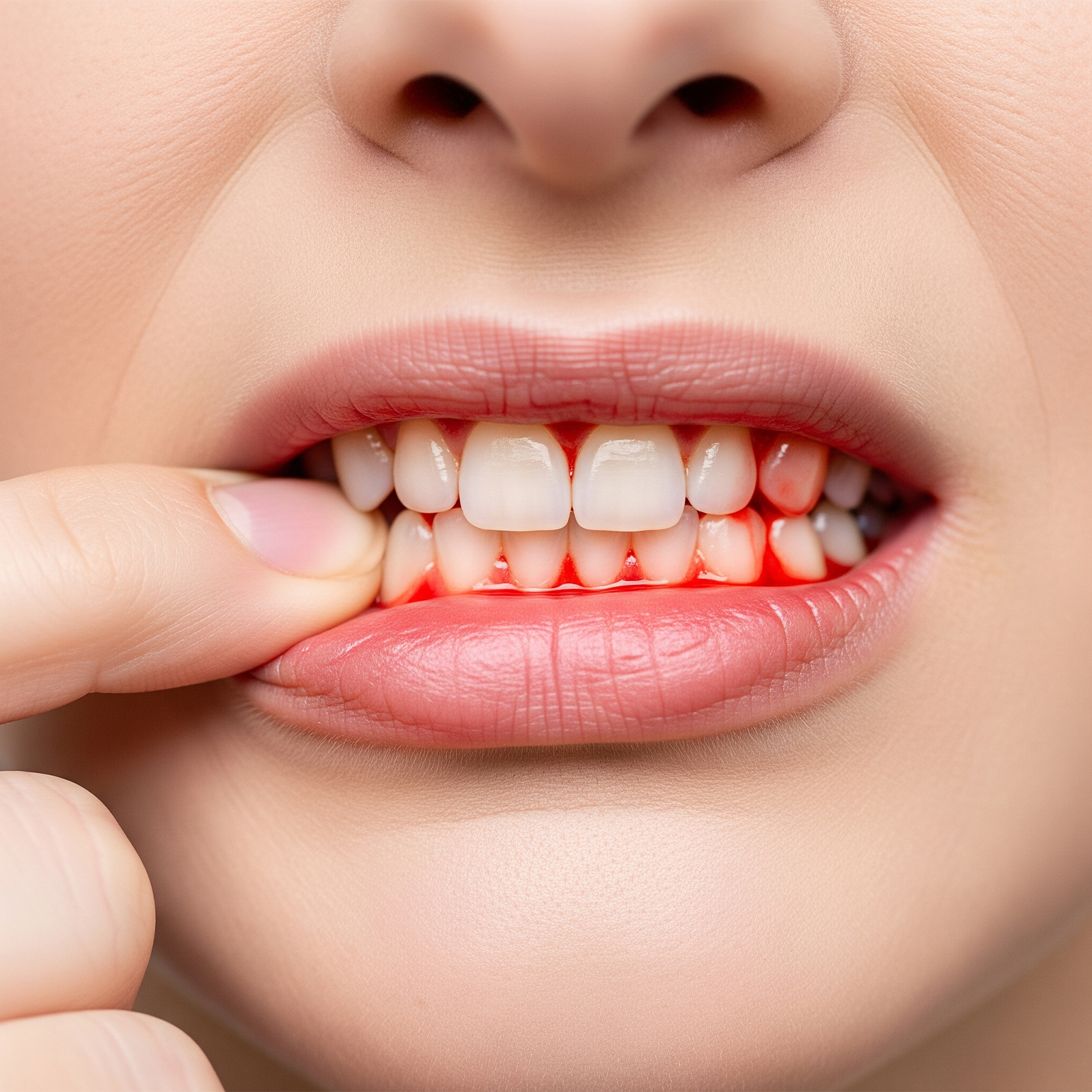
Bleeding gums mean blood appears at the gum line or from the gums. This happens when the gums are inflamed or weakened. Plaque that stays on the teeth often starts the problem. Small bleeding can be the first sign.
Gingivitis is the mild form of gum disease that causes bleeding. If not treated on time, it can become periodontitis. Periodontitis harms the gums, jawbone, and support tissues. Teeth may become loose or fall out over time.
Bleeding gums can also point to other health issues like leukaemia or a vitamin deficiency. Low platelets or clotting problems may make bleeding worse. When bleeding continues, a health check may be needed. Early care helps prevent worse problems.
Causes of Bleeding Gums
Bleeding gums often start with gingivitis, which is gum inflammation that makes gums swell and bleed. Poor oral hygiene is one of the biggest reasons for this problem. Using a toothbrush that is too rough or too soft can irritate the gum line. Your gums may also bleed when you first start flossing because they are not used to it.
Some causes come from daily habits or dental issues. Taking drugs like blood thinners can increase bleeding. Pregnancy gingivitis can happen because of gum inflammation during pregnancy. Poorly fitting dentures and defective dental restorations can also irritate your gums and make them bleed. Smoking adds more damage and slows healing.
Other causes are related to health problems inside the body. Diabetes weakens your mouth’s defences and raises the risk of gum disease. Hormone changes during puberty, pregnancy, or menopause can make gums sensitive. Vitamin K deficiency, vitamin C deficiency, pernicious anaemia, thrombocytopenia, haemophilia, and oral herpes can all cause bleeding gums. Serious conditions like leukaemia may also show early signs through gum bleeding.
Symptoms of Bleeding Gums
Pain in your gums or teeth can be the first sign. You may feel soreness when you brush or eat. Swelling of the gums or mouth often follows the pain. These signs show the gums are inflamed.
Bad breath often comes with gum disease and plaque. Germs under the gum line produce odour. Loose teeth can appear if the infection gets worse. If you see any of these, seek advice from the professionals.
Some of the symptoms point to the deeper aspect of problems like Vitamin-C deficiency or thrombocytopenia. These issues affect clotting and healing. Persistent bleeding needs a dentist or doctor to check. Treating early limits damage.

Preventional Tips
Brush twice daily and floss the right way to remove plaque. Use a soft toothbrush to avoid more irritation. Regular dental visits remove tartar and check for early disease. These steps protect your gums.
Control diabetes and maintain good overall health to reduce risk. Eat foods that support healing and avoid smoking. Pregnancy and hormone changes need extra care and checkups. Vitamins C and K help with normal clotting and healing.
Fix dentures that do not fit and update any broken restorations. Avoid rough brushing and be gentle when flossing. If you take blood thinners, tell your dentist. Early action keeps your smile safe and protects you from other diseases.