

Mole Removal

Mole Removal: Safe, Precise Treatment for Comfort, Confidence, and Skin Health
When Does a Mole Become More Than Just a Mole?
Most people hardly notice a mole until it begins to catch their attention. It may become more visible over time, rub against clothing, get nicked while shaving, or simply make you feel less confident about your appearance. Whatever the reason, deciding to have a mole removed usually starts with one simple thought: it no longer feels right to leave it as it is.
Not every mole is removed for the same reason. Some people choose treatment because a mole causes daily discomfort or affects the way they look. Others seek medical advice after noticing changes in its size, colour, shape, or texture. Understanding the reason behind the change is an important first step in choosing the most appropriate care.
Modern mole removal focuses on more than removing unwanted skin growths. It aims to treat the area safely, protect the surrounding skin, and achieve a result that looks as natural as possible. Before recommending treatment, your dermatologist carefully evaluates the mole to determine the most suitable approach for your individual situation.
What Is a Mole?
A mole is a common skin growth formed when pigment-producing skin cells gather in one area instead of spreading evenly throughout the skin. Moles can appear anywhere on the face or body and vary in color, shape, and size. Some are present from birth, while others develop gradually during childhood or early adulthood.
Most moles remain unchanged for many years and do not cause any problems. However, some may become raised, more noticeable, or easily irritated because of where they are located. These everyday concerns are among the most common reasons people consider having a mole removed.
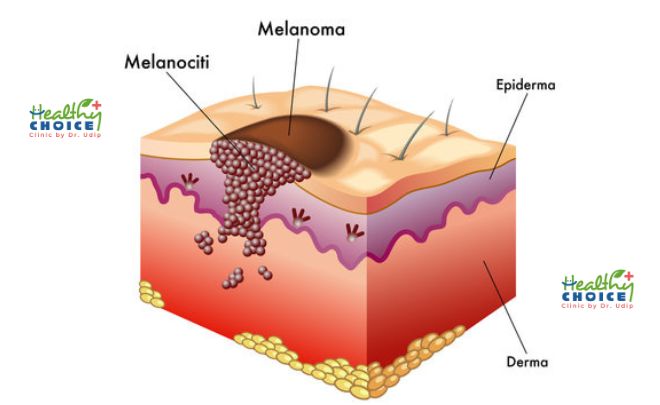
Although many moles are harmless, it is important to pay attention to any noticeable changes. If a mole begins to grow rapidly, develops uneven borders, changes color, bleeds, or becomes persistently itchy, it should be examined by a dermatologist. Early evaluation helps determine whether the changes are harmless or require further medical attention.
Why Do Moles Develop?
The color of our skin comes from melanin, a natural pigment produced by specialized skin cells called melanocytes. When these cells group closely together instead of spreading evenly, a mole forms. This is a natural process and often occurs without causing any health concerns.
Several factors can influence when and how moles develop. Genetics plays an important role, which is why some people naturally have more moles than others. Hormonal changes, aging, and repeated sun exposure may also contribute to the development of new moles or make existing ones appear more noticeable over time.
While these factors can influence their appearance, they do not necessarily mean that a mole is unhealthy. The most important step is to monitor any noticeable changes and seek professional advice whenever something appears different from before.
How Is Mole Removal Performed?
The most suitable removal method depends on the size, location, and characteristics of the mole. During your consultation, your dermatologist examines the area carefully before recommending the treatment that best matches your skin and individual needs.
For selected moles, a CO₂ fractional laser may be used to remove the targeted tissue with precision. The area is first cleaned, and depending on the treatment plan, local anesthesia may be recommended to keep you comfortable throughout the procedure. The laser then focuses on the mole while minimizing unnecessary impact on the surrounding skin.
Because the treatment is highly controlled, it allows the dermatologist to remove the targeted tissue with accuracy while supporting a smoother healing process. After the procedure, you will receive personalized aftercare instructions to help protect the treated area and encourage healthy recovery.
What Can You Expect After Mole Removal?
Mole removal is usually a straightforward procedure, and most people can return to their normal routine soon afterwards. The treated area may look different at first, but this is a natural part of the healing process as your skin begins to repair itself.
It is common to notice mild redness, slight swelling, or the formation of a small protective crust over the treated area. These temporary changes help protect the skin while new tissue develops underneath. As healing progresses, the crust naturally falls away, revealing healthier skin beneath.
Healing time varies depending on the size of the mole, its location, and the removal method used. Your dermatologist will explain what to expect during recovery and advise you if a follow-up visit is recommended to monitor the healing process.
Why Do People Choose Mole Removal?
The decision to remove a mole is often personal. For some, it is about improving comfort during everyday activities. For others, it is about feeling more confident or seeking reassurance after noticing changes in a mole’s appearance.
Depending on the reason for treatment, mole removal may help
- Remove moles that irritate clothing, shaving, or jewelry.
- Improve the appearance of prominent facial or body moles.
- Reduce discomfort caused by raised or frequently irritated moles.
- Allow suspicious or changing moles to be medically assessed when appropriate.
- Achieve a smoother skin surface with a carefully planned treatment approach.
Beyond the physical changes, many people appreciate the peace of mind that comes from addressing a concern they have been thinking about for a long time. Whether the reason is cosmetic, practical, or medical, treatment should always begin with a proper medical evaluation.
Preparing for Your Mole Removal Procedure
A little preparation before treatment helps create the best conditions for healing. During your consultation, your dermatologist will explain how to prepare based on the type of mole, its location, and the planned removal method.
Before your appointment, avoid excessive sun exposure to the treatment area whenever possible. If you are taking prescription medication, have an active skin infection, or have recently undergone another skin procedure, let your dermatologist know before treatment begins. Sharing your medical history allows your care to be planned safely.
Following the instructions provided before your appointment helps ensure the procedure is carried out comfortably and gives your skin the best possible start for recovery.
Looking After the Treated Area
Good aftercare is just as important as the procedure itself. Looking after the treated area helps your skin heal comfortably while reducing unnecessary irritation during recovery.
Keep the area clean and dry as advised by your dermatologist, and apply any prescribed medication exactly as instructed. Avoid scratching, rubbing, or picking at the healing skin, even if a small crust develops. Allowing it to come away naturally helps support healthy healing.
Protecting the area from direct sun exposure is also important while your skin recovers. Once the skin has healed, your dermatologist may recommend sunscreen to help protect the new skin and maintain an even appearance.
Choosing Treatment with Confidence
Whether a mole has been present for years or has only recently started to change, understanding the reason behind it is the first step towards making an informed decision. A professional assessment helps determine whether the mole can simply be removed for comfort or appearance or whether it requires further medical evaluation.
The best results begin with the right understanding of your skin. Through a professional consultation, your concerns, expectations, and treatment goals can be carefully evaluated to create a plan focused on safe and natural-looking improvement.
When treatment is recommended, the goal is not simply to remove a mole. It is to do so safely, preserve the surrounding skin, and help you feel comfortable and confident with the outcome.
Supporting Healthy Skin, One Step at a Time
Our skin naturally changes throughout life, and so do the marks that appear on it. While many moles remain unchanged, others may become uncomfortable, more noticeable, or simply no longer suit the way you feel about your appearance. Knowing when to seek professional advice allows you to make informed decisions with confidence.
Modern mole removal offers a safe and precise solution for both cosmetic and medically appropriate concerns. Guided by careful assessment and personalized care, treatment focuses on protecting your skin while achieving the best possible outcome for your individual needs.
Whether your goal is greater comfort, improved appearance, or reassurance about a changing mole, seeking advice from a qualified dermatologist is the first step towards healthier skin and greater peace of mind.