

Missing Tooth

Missing Tooth: Why It Happens and How to Fix It
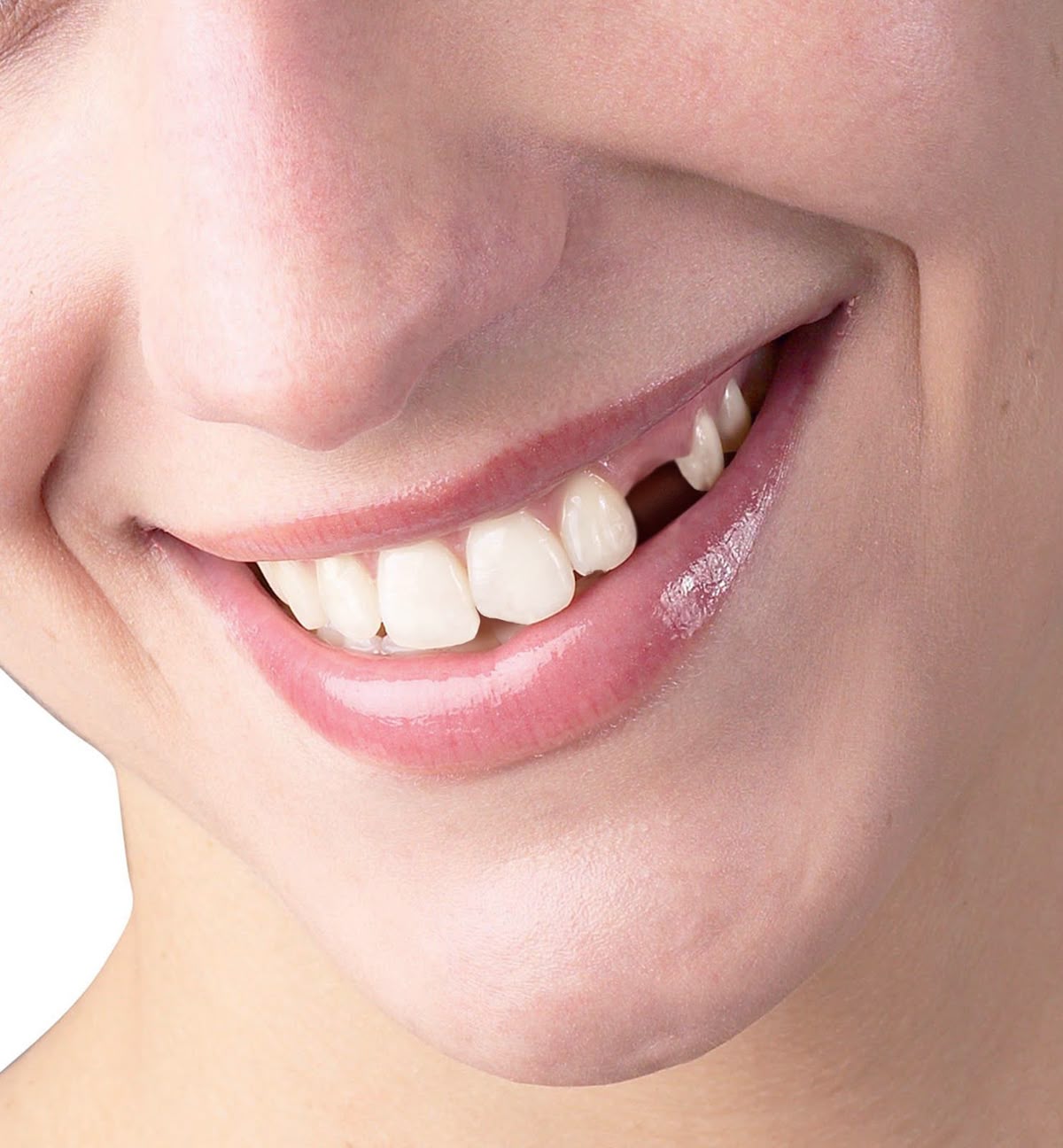
A missing tooth may appear as a small gap, but it can affect your bite, confidence, and long-term oral health. Many people delay treatment, not knowing that early care prevents bigger issues later. Missing teeth can result from decay, gum disease, or injury, and each can lead to more serious problems if treatment is postponed.
When the gap is left untreated, nearby teeth begin to shift, and the jawbone starts to shrink. This bone loss affects chewing strength, facial shape, and future treatment success. Even speech and daily comfort can change when a missing tooth disrupts balance in the mouth.
A missing tooth also impacts appearance, often lowering confidence more than expected. The good news is that modern dentistry offers fast, safe, and natural-looking options such as implants, bridges, and partial dentures. Early replacement protects your oral health and restores both function and self-esteem.
Why does a Missing Tooth Happen?
Most teeth are lost due to untreated decay that reaches deep into the nerve. When the infection spreads, the tooth becomes weak and may need removal to protect other teeth. Ignoring early pain or sensitivity usually leads to this stage.
Gum disease is another major cause. When gums get inflamed, the bone holding the tooth breaks down. This makes the tooth loose and unstable. Without timely care, extraction becomes the only safe choice.
Trauma from accidents or sports injuries can suddenly knock out a healthy tooth. Even one strong impact can cause internal cracks or root damage. If treatment is delayed, the tooth cannot be saved, and replacement becomes the only option.
How a Missing Tooth Affects Your Oral Health?
When a tooth is gone, the surrounding teeth naturally start shifting into the empty space. This changes your bite, causing chewing discomfort and uneven pressure. Over time, this leads to more wear and more dental problems.
Bone under the missing tooth begins to shrink within months. Bone loss affects facial shape and can make future implant treatment harder. It also increases the risk of gum disease in nearby teeth.
Food traps easily in the open gap, increasing plaque and bacteria buildup. This raises the chance of cavities and infections in the surrounding area. Fixing one missing tooth early can save you from multiple future treatments.
Modern Replacement Options
A dental implant offers the closest look and feel to a natural tooth. It replaces the root with a titanium post and holds a lifelike crown. It prevents bone loss and provides long-term stability.
A dental bridge is a fixed replacement supported by the teeth on each side. It is a good choice when nearby teeth already need crowns. Bridges are quicker to complete and restore normal chewing in a short time.
A partial denture is a cost-effective, removable option. It replaces one or more missing teeth at once. It is light, comfortable, and easy to maintain, making it suitable for many patients.
Clinical Diagnosis and Treatment Planning
A dentist begins with a detailed oral exam and digital X-rays. These reveal bone condition, gum health, and how much space is available for replacement. Proper assessment ensures the chosen treatment lasts long-term.
The dentist studies your bite pattern to see how the missing tooth affects chewing. Even small shifts can create stress on joints and muscles. This is why planning matters before choosing any replacement option.
Your medical history, habits, and oral hygiene are also reviewed. Some patients may need gum treatment or bone support before replacement. A personalized plan ensures predictable results and a safe procedure.
Recovery and Aftercare
After implant placement, mild swelling or soreness is normal. Patients resume daily routines within a day or two. Soft foods and proper cleaning support smooth healing.
Bridge patients adjust quickly since the treatment is non-surgical. Some sensitivity may occur, but it settles soon. Regular cleaning and flossing protect the supporting teeth.
Partial denture users may need small adjustments for comfort. Cleaning the denture daily and removing it at night keeps the gums healthy. Follow-up visits ensure proper fit and stability.
Prevention and Long-Term Protection
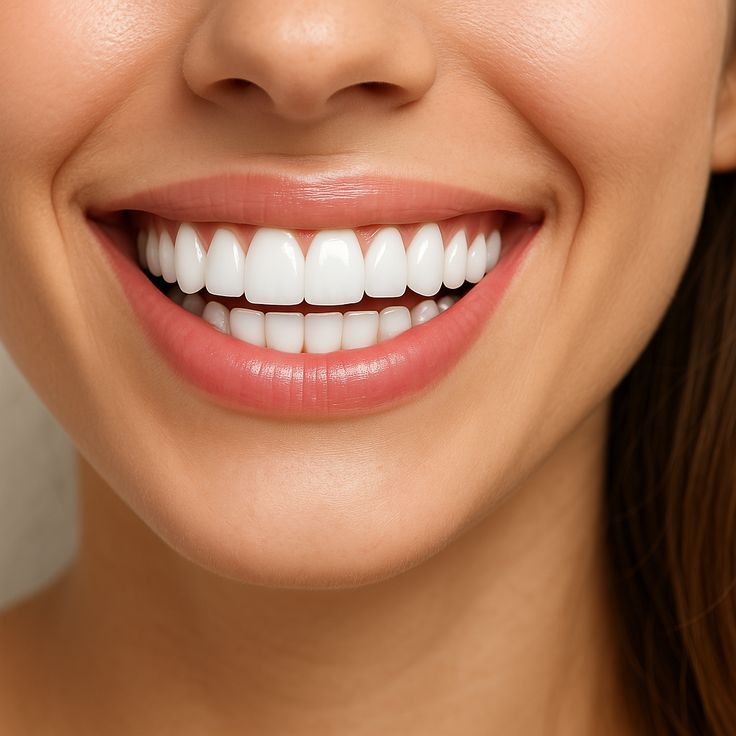
Good brushing, flossing, and routine dental checkups reduce the chance of decay and gum disease. Early signs of trouble should never be ignored. Small treatments prevent major tooth loss.
Protective habits such as wearing a mouthguard during sports help prevent trauma. Limiting sugary foods and smoking also reduces risks. Healthy lifestyle choices protect teeth in the long run.
If a tooth is already missing, replacing it early prevents shifting and bone loss. Long-term protection starts with timely treatment and consistent home care.
Conclusion
A missing tooth is more than a cosmetic concern; it changes the way you chew, speak, and maintain oral health. The longer the gap stays untreated, the more your teeth shift, and the jawbone weakens. Early attention helps prevent bigger issues that are harder and costlier to fix.
Modern dentistry offers safe and effective solutions that restore strength, balance, and natural appearance. Implants, bridges, and partial dentures each play a strong role in protecting long-term oral function. Choosing the right option with proper guidance ensures stable and predictable results.
Taking action early helps you maintain your smile, confidence, and daily comfort. With professional care and a personalized plan, replacing a missing tooth becomes a smooth and reliable process. The goal is simple: restore your oral health and keep your teeth strong for the future.