

PRP-Platelet-Rich Plasma

What is PRP therapy?
Platelet-Rich Plasma (PRP) therapy is an advanced regenerative treatment that utilizes the body’s own natural healing components to support tissue repair and regeneration. Over the past decade, PRP has been widely used across medical specialties, including orthopedics, sports medicine, dermatology, and aesthetic medicine, for its ability to stimulate cellular healing. More recently, PRP has gained recognition as an effective non-surgical treatment for certain types of hair loss.
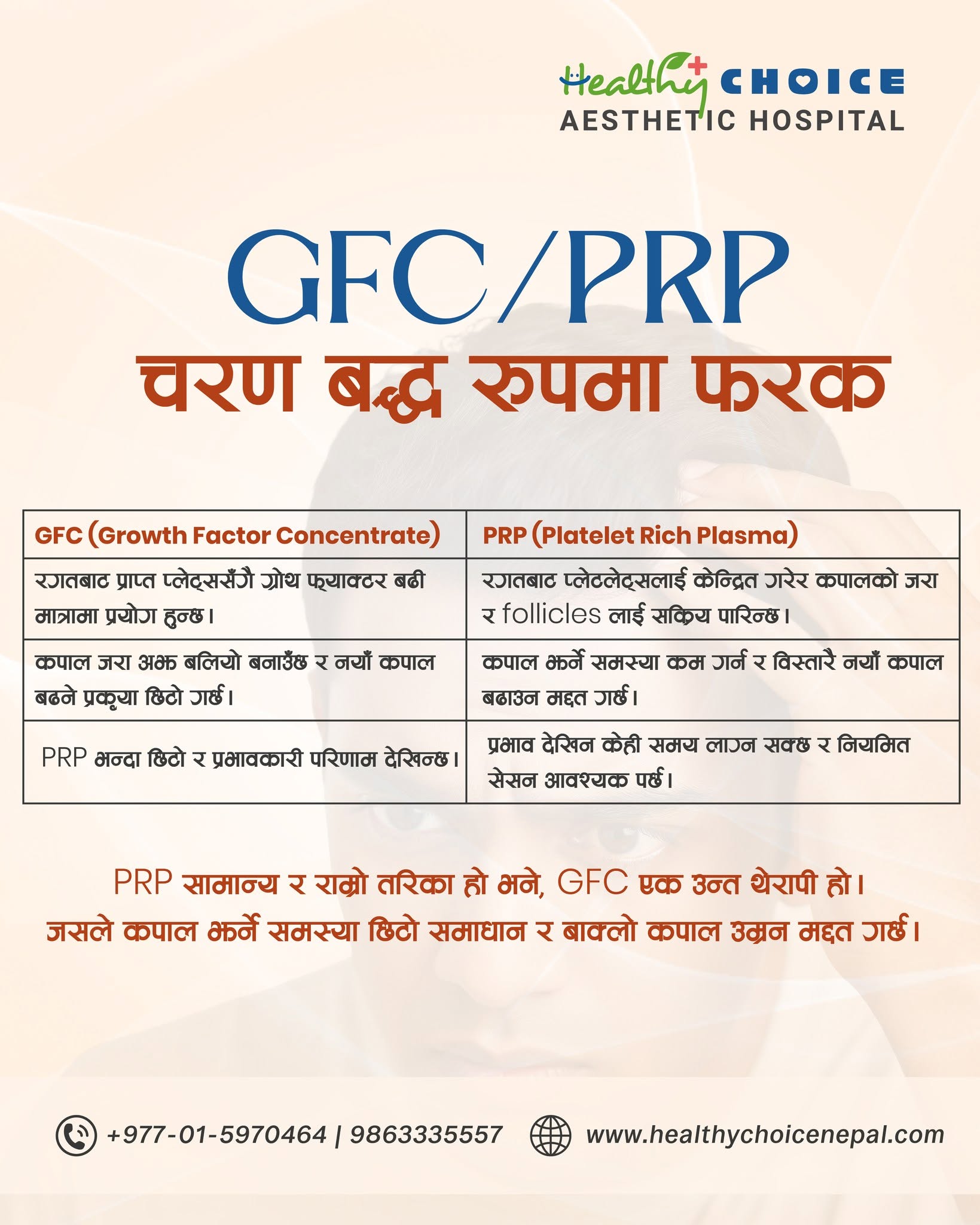
The treatment works by concentrating platelets from a small sample of your own blood. These platelets contain growth factors and bioactive proteins that help repair damaged tissues, promote cell regeneration, and improve blood circulation. When introduced into targeted areas, these natural growth factors help create an environment that supports healthier tissue function, making PRP a valuable option for regenerative therapies.
For individuals experiencing hair thinning or early hair loss, PRP therapy offers a minimally invasive alternative to surgery. Since the treatment uses the patient’s own blood, the risk of allergic reactions or rejection is extremely low. With minimal downtime and a well-established safety profile, PRP has become a preferred choice for patients seeking a natural approach to hair restoration.
What is PRP for Hair?
PRP for hair is a specialized regenerative treatment designed to improve hair density, strengthen existing hair follicles, and encourage natural hair growth. During the procedure, a small amount of blood is drawn from your arm and processed using a centrifuge to isolate platelet-rich plasma, which contains a concentrated amount of healing growth factors. This platelet-rich plasma is then carefully injected into areas of the scalp affected by thinning hair.
Once injected, the concentrated platelets stimulate the hair follicles by improving blood supply and delivering growth factors directly to the scalp. This process helps revitalize weakened follicles, enhance scalp health, and support the natural hair growth cycle. The treatment is particularly beneficial for individuals in the early stages of hair loss, where existing follicles can still respond to regenerative stimulation.
PRP therapy is suitable for both men and women experiencing hair thinning and can be performed as a standalone treatment or alongside other hair restoration options. Depending on the severity and cause of hair loss, your specialist may recommend combining PRP with medications such as Minoxidil or incorporating it into a comprehensive hair transplant treatment plan to achieve optimal results.
How Does PRP for Hair Work?
The effectiveness of PRP therapy lies in the natural growth factors stored within platelets. These growth factors play an important role in cell repair, tissue regeneration, and the formation of new blood vessels. When platelet-rich plasma is injected into the scalp, it stimulates biological processes that encourage dormant or weakened hair follicles to become more active, helping to promote healthier hair growth over time.
PRP also enhances blood circulation around the hair follicles, allowing them to receive a better supply of oxygen and essential nutrients. Improved circulation supports healthier follicle function while helping remove metabolic waste that may negatively affect the scalp environment. As a result, hair follicles are better equipped to produce stronger, thicker, and healthier hair strands during the active growth phase.
When combined with healthy scalp care and other appropriate hair restoration therapies, PRP can contribute to long-term improvements in hair quality, density, and overall scalp health.
What Are the Benefits of PRP for Hair?
PRP therapy offers a natural and minimally invasive approach to hair restoration, making it a preferred option for individuals experiencing hair thinning or early-stage hair loss. By utilizing the body’s own platelet-rich plasma, the treatment supports healthier hair follicles and promotes natural hair growth without the need for surgery. Its ability to improve scalp health while requiring minimal downtime has contributed to its growing popularity among both men and women.
Some of the key benefits of PRP for hair include:
- Non-surgical treatment: PRP therapy requires no incisions, stitches, or a lengthy recovery period, allowing most patients to resume their daily activities shortly after the procedure.
- Natural hair restoration: Since PRP is prepared from your own blood, the treatment harnesses your body’s natural healing and regenerative properties without the use of artificial substances or chemicals.
- Improves hair growth and thickness: The concentrated growth factors in PRP stimulate weakened hair follicles, enhance blood circulation to the scalp, and support the growth of stronger, thicker hair.
- Minimal side effects: Because PRP is autologous (derived from your own body), side effects are generally limited to temporary redness, mild swelling, or slight discomfort at the injection sites.
- Safe and well established: PRP therapy has been used across multiple medical specialties for many years and has demonstrated a strong safety profile when performed by qualified healthcare professionals.
While PRP therapy can significantly improve hair quality and reduce hair shedding, the best results are achieved through a personalized treatment plan based on the underlying cause of hair loss. Consulting with an experienced hair restoration specialist ensures that PRP is recommended appropriately, either as a standalone treatment or in combination with other proven hair restoration therapies for optimal, long-term results.
Do PRP have Negative Side Effects?
PRP injections are low-risk procedures that often have few negative side effects. You should drink plenty of water and eat before the operation to avoid feeling dizzy because it involves drawing blood. You can suffer some discomfort and bruising at the injection site following the treatment.
Compared to other injectable treatments like corticosteroids, the chance of an allergic reaction is far lower with PRP injections because they are formed of your own cells and plasma. PRP injection dangers that are less frequent include: Bleeding, Tissue damage, Infection, Nerve injuries.
What Can You Expect from PRP for Hair?
Your doctor will draw a sample of your blood prior to the procedure and separate the platelet-rich plasma from the rest of the blood using a centrifuge. A little needle will then be used to inject the platelet-rich plasma into your scalp. Although most people don’t feel any pain during the 30- to 1-hour procedure, some people may feel a little soreness or mild discomfort where the injection was made. For PRP to work effectively on your hair, you might require numerous sessions.
A) Pre-therapy care
To guarantee a safe and successful treatment outcome, there are a few things to keep in mind before having PRP therapy for hair. Here are a few considerations:
- Get an in-depth analysis: A thorough evaluation should be carried out to identify the underlying reason of hair loss prior to beginning PRP therapy. This could entail scalp biopsies, hormone studies, blood tests, or other diagnostic techniques.
- Stop using certain drugs: Some drugs can reduce the efficacy of PRP therapy or raise the risk of problems. These might consist of aspirin, NSAIDs, blood thinners, and specific herbal supplements. Prior to the treatment, your doctor will give you advice on any medication modifications that may be required.
- Avoid drinking too much alcohol and smoking: These behavior’s can hinder recovery and reduce the efficacy of PRP therapy. It is advised to stay away from these things both before and after the treatment.
B) Post-care
There are a few things to keep in mind following a PRP hair procedure to guarantee the greatest results. Here are some things to remember:
Avoid Hair Styling Products: For at least 48 hours following surgery, it is best to refrain from using any hair styling products on the scalp, including gels, sprays, and perfumed oils.
Avoid Exposure to excessive Temperatures: For at least 48 hours following surgery, you should refrain from exposing your scalp to excessive temperatures, including those from a hair drier, hot tub, sauna, or sunbathing.
Avoid Heavy Exercise: To allow for post-operative recovery, it’s necessary to refrain from any physically demanding activities for at least 48 hours following surgery.
Watch for Infection Signs: If you notice any signs of infection on your scalp, such as redness, swelling, warmth, pus, or drainage, you should get in touch with your doctor very once.
Maintain a Healthy Diet and Lifestyle: Eating a nutritious, well-balanced diet, staying hydrated, and getting enough sleep can all aid in the recovery process and encourage hair growth.
Using your body’s own natural healing abilities, PRP for hair is a safe and effective treatment option for hair restoration that can increase the thickness and growth of your hair. It is a minimally invasive non-surgical treatment, making it a desirable alternative for those who want to avoid surgery. It’s crucial to keep in mind that outcomes can vary and that not everyone has an increase in hair growth. Before undertaking any medical procedure, it’s important to speak with a trained professional who can advise you on if PRP for hair is the best course of action for you.