

Scaling and Polishing

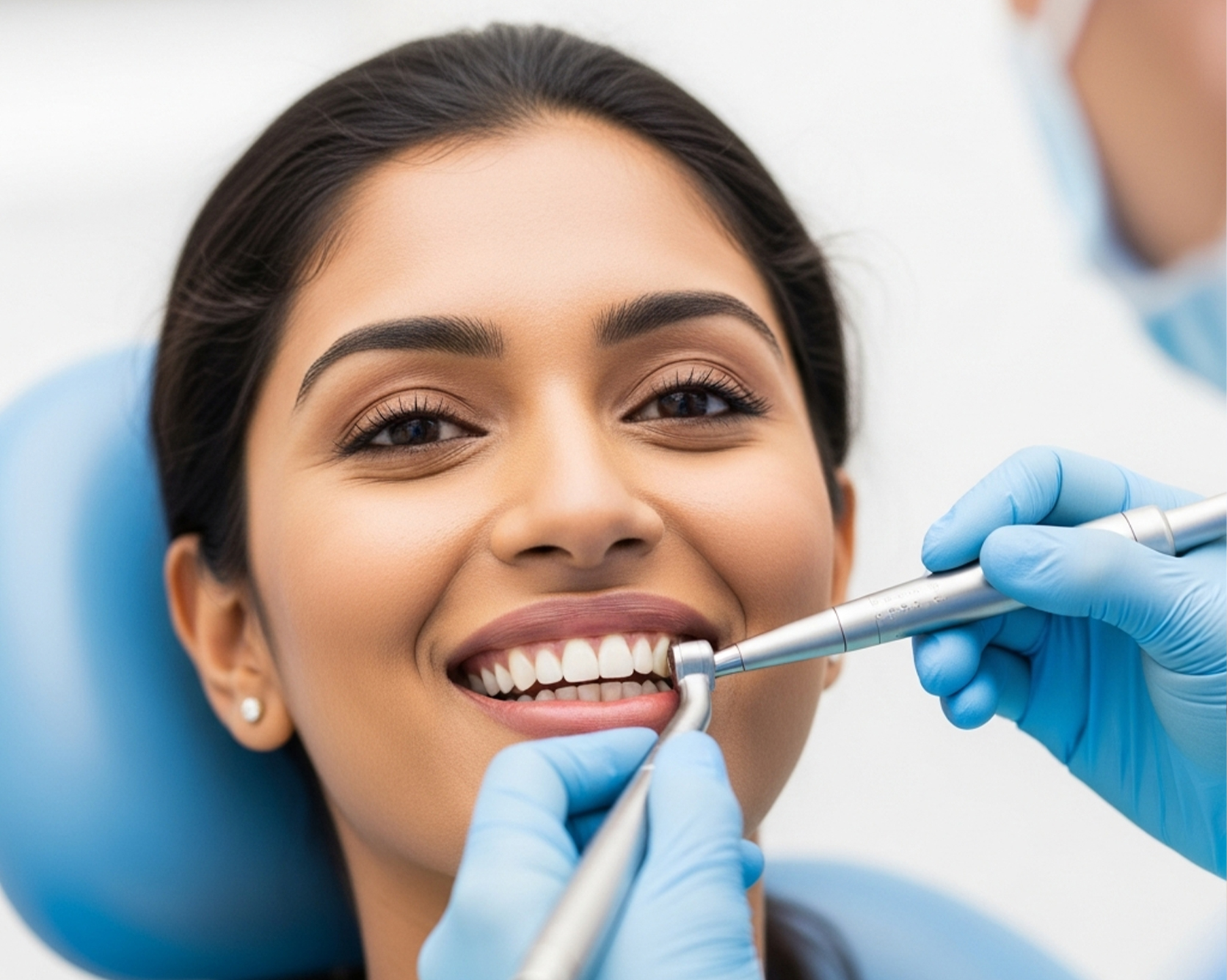
Dental Scaling and Polishing in Nepal
Keeping your teeth clean is the first step toward strong gums and a healthy smile. Scaling and polishing are simple dental procedures that remove plaque, tartar, and stains that brushing cannot fully clean. They help keep your teeth smooth, fresh, and bright while preventing gum problems over time.
Plaque forms when food and bacteria stay on the teeth, and if not cleaned properly, it turns into tartar. Brushing may remove some plaque, but tartar needs professional treatment. Scaling and polishing remove this buildup safely and protect your gum health.
Regular dental cleaning keeps your mouth healthier and stops early gum disease. With routine visits, you can maintain clean teeth, strong gums, and a fresher smile every day.
What Happens During Scaling and Polishing?
Scaling is the process of removing plaque and tartar from the teeth and under the gum line. A dentist uses special tools to loosen and clean these deposits safely without harming your teeth or gums. This deep cleaning helps stop gum inflammation and prevent gum disease.
Main Goals of Scaling and Polishing:
- Remove tartar and plaque buildup
- Clear surface stains
- Improve gum health and prevent gum disease and cavities
Polishing is performed after scaling to smooth the tooth surface. It removes small stains caused by food, drinks, and smoking. The dentist uses a rotating tool and a polishing paste to give your teeth a shiny, smooth finish.
What to Expect After Treatment?
It is normal to feel some temporary changes after scaling and polishing. These signs show your teeth and gums are adjusting to their cleaner, healthier state. Sensitivity and mild tenderness typically improve within a few days and are a normal part of the healing process.
Common Experiences After Treatment:
- Temporary sensitivity for a few days to one week
- Mild discomfort where tartar was removed
- Tender gums that become stronger as they heal
Your gums may feel different at first because the hard tartar layer has been removed. Soon, they become cleaner, healthier, and less swollen, giving you a fresher oral feel.
Post-Treatment Care
Good care after the procedure helps protect your gums and keeps your teeth clean for a long time. Following your dentist’s instructions ensures faster healing and better results.
Post-Treatment Instructions:
- Avoid very hot or very cold foods and drinks for 24 hours
- Avoid hard foods for 24 hours
- Avoid tobacco products
- Use mouthwash only if prescribed by your dentist
Proper brushing and flossing help maintain the benefits of scaling and polishing. These habits keep your teeth free from buildup and help prevent gum issues.
Conclusion
Scaling and polishing are simple, effective treatments that greatly improve your oral health. They remove harmful plaque and tartar, reduce surface stains, and help your gums stay strong and healthy. With regular sessions, you can prevent gum disease, protect your teeth, and enjoy a fresher, brighter smile every day.
Scaling and polishing are safe routine treatments for most people. Many patients feel a big difference in gum freshness and tooth smoothness right after the procedure. These treatments help maintain long-term oral health when paired with daily brushing and flossing.
A clean mouth leads to better confidence and long-lasting dental health. Book a visit with your dentist and keep your smile clean, healthy, and shining.
FAQS
1.Is scaling and polishing painful?
Most people do not feel pain. Some feel slight discomfort if they have sensitive gums or heavy tartar buildup. If needed, your dentist may use local anesthesia to make the procedure more comfortable.
2. How often should it be done?
Usually every six to twelve months. If you have gum disease or build plaque faster, your dentist may recommend more frequent cleaning for better gum health.
3.Does it whiten teeth?
Yes, it removes surface stains, making your teeth look cleaner and slightly whiter. But if you want to change your tooth shade, cosmetic teeth whitening is required, as scaling only removes stains and not the natural tooth color.