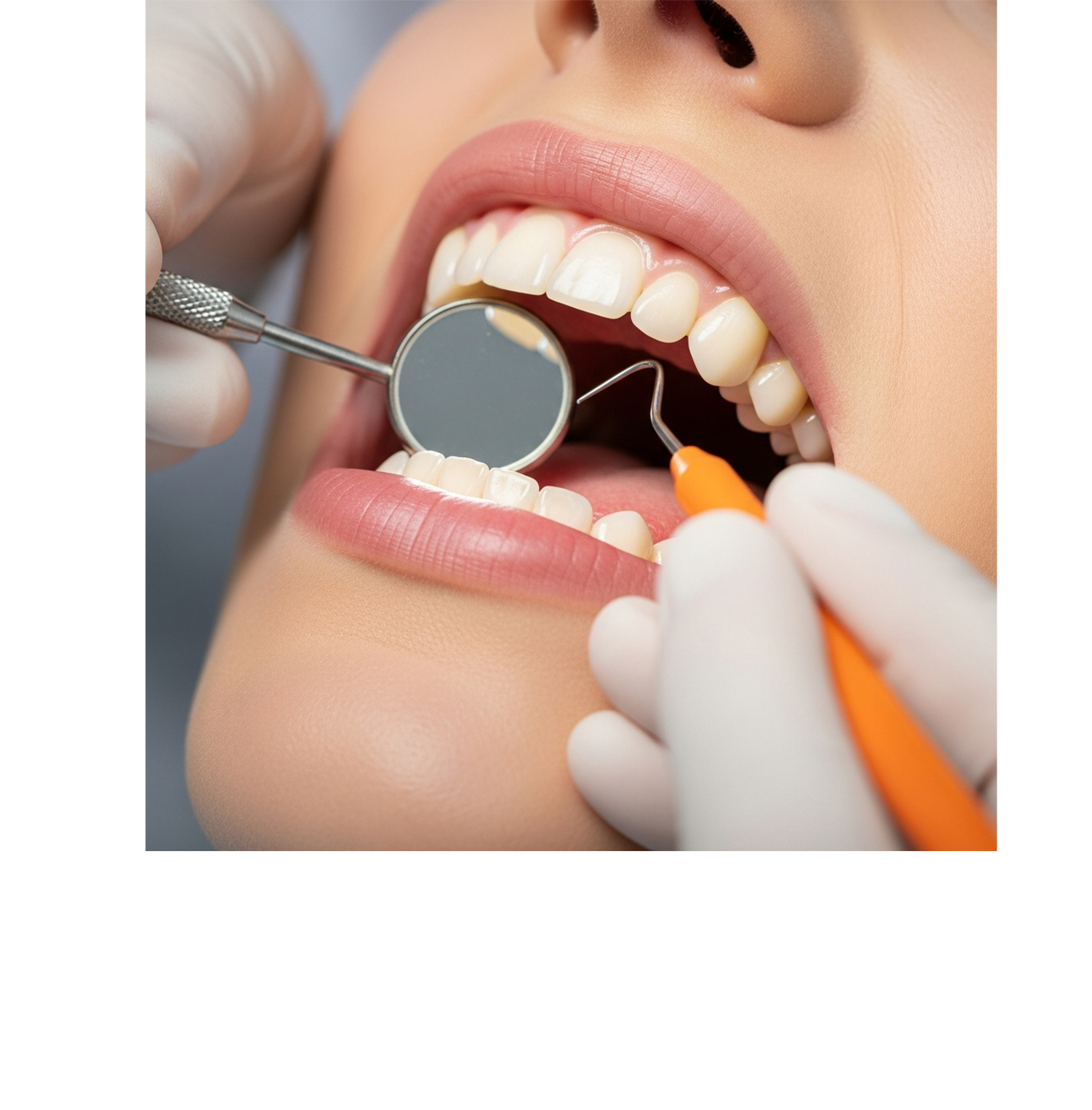

Cervical Abrasion

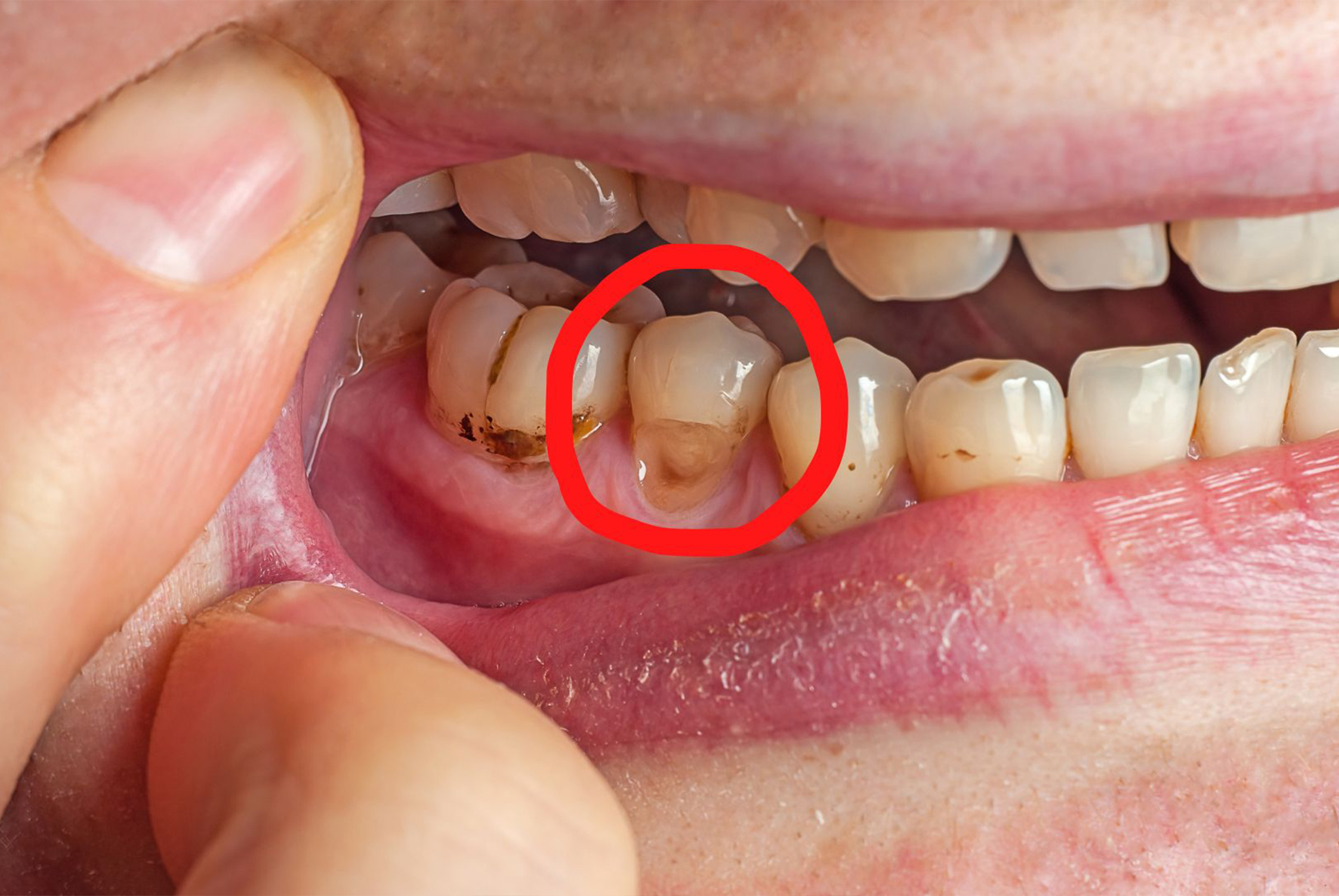
Cervical Abrasion
Have you ever seen a small ditch or V-shaped cut near the neck of your tooth? These marks show even when your teeth look clean and free from cavities. Many people get these cuts and do not know what they mean. These marks are called Cervical Abrasion.
Cervical Abrasion means tooth enamel loss at the area where the tooth, gum, and root meet. This is not the same as dental cavities, and it doesn’t happen because of caries. It looks shiny, smooth, and polished because the enamel has worn away. This area often becomes tender and painful to touch.
If not treated, this condition can get worse over time. Once the enamel is gone, it does not grow back. People also face tooth sensitivity and gum problems due to this. Early care helps protect your teeth from more damage.
Causes Of Cervical Abrasion
The most common cause is improper brushing. Brushing too hard can slowly scrape the enamel away. Using a hard-bristle brush makes the damage worse. These habits slowly cause Cervical Abrasion over time.
- Improper Brushing Technique
- Brushing too hard
- Using a hard-bristle toothbrush
- Habits like holding pins with teeth or chewing tobacco
- Abrasive whitening toothpaste
- Acid reflux that lowers oral pH.
Tooth enamel loss also happens when acid reflux makes the mouth more acidic. When acidity rises, the enamel gets weak and breaks faster. If harsh brushing happens at the same time, Cervical Abrasion becomes more likely. This creates a smooth, shiny cut at the neck of the tooth.
Symptoms
Symptoms are easy to notice once enamel starts wearing away. The exposed area becomes sensitive to daily habits. People often feel a sharp or mild pain. This is most common when brushing or touching the area.
- Sensitivity to cold
- Sensitivity to hot drinks
- Mild discomfort
These symptoms can come and go, but usually get worse without care. The exposed dentin reacts quickly to temperature changes. This tooth sensitivity can make eating and drinking difficult. Early dental care helps stop the irritation.
Effects of Cervical Abrasion
Cervical Abrasion can affect the way your tooth looks. The cut near the gumline may bother people who care about their smile. Apart from looks, it can cause daily discomfort. It mostly affects teeth near the front.
- Tooth sensitivity
- Aesthetic concerns
- Higher plaque trapping
- Risk of dental caries
- Higher chance of gum disease
The small ditch-like mark traps plaque easily. This raises the risk of decay and gum problems. Without treatment, the abrasion can deepen and reach the inner layers. This may later require bigger dental work.
Prevention
Most Cervical abrasions can be prevented with simple habits. The first step is changing your brushing style. Use gentle pressure with a soft-bristle toothbrush. This helps protect enamel.
- Use a soft-bristle toothbrush
- Use non-abrasive toothpaste
- Use fluoride toothpaste
- Keep the brush at a 45° angle
- Avoid nail biting or holding objects in your teeth
Changing these habits makes a big difference. Fluoride toothpaste also helps strengthen enamel. Staying away from harsh brushing protects your teeth long-term. Daily gentle care keeps your teeth safe.
Treatment
Once enamel is gone, it cannot grow back. But the tooth can still be restored with proper dental treatment. Dentists usually fill the area to protect the inner layers. This stops tooth sensitivity and prevents deeper damage.
- Dental fillings
- Composite restoration (best for aesthetics)
- Glass Ionomer Cement (releases fluoride)
- Root canal treatment if the abrasion reaches the pulp
If the abrasion has reached the pulp, a root canal treatment may be needed. Composite fillings blend with the tooth and look natural. Glass Ionomer Cement helps by releasing fluoride for added strength. These treatments protect your teeth from future harm.