

Dental Fillings Treatment

Dental Fillings in Nepal: Restoration of Your Smile
Dental Fillings are materials placed on teeth to fix surface flaws or dental decay. Also called restoration, they restore the tooth’s shape and function. When professionals use strong materials like Glass Ionomer Cement (GIC) or composite resin, dental fillings provide long-lasting protection and repair cavities before they worsen.
Restorative dentistry focuses on replacing or restoring teeth to maintain dental health. This includes improving chewing function and preserving the natural strength of your teeth. Early Intervention with Dental Fillings prevents dental decay and keeps your smile confident.
Many people benefit from restorative dentistry when they have cavities, dental decay, or damaged teeth. Treating problems early avoids pain and more complex procedur
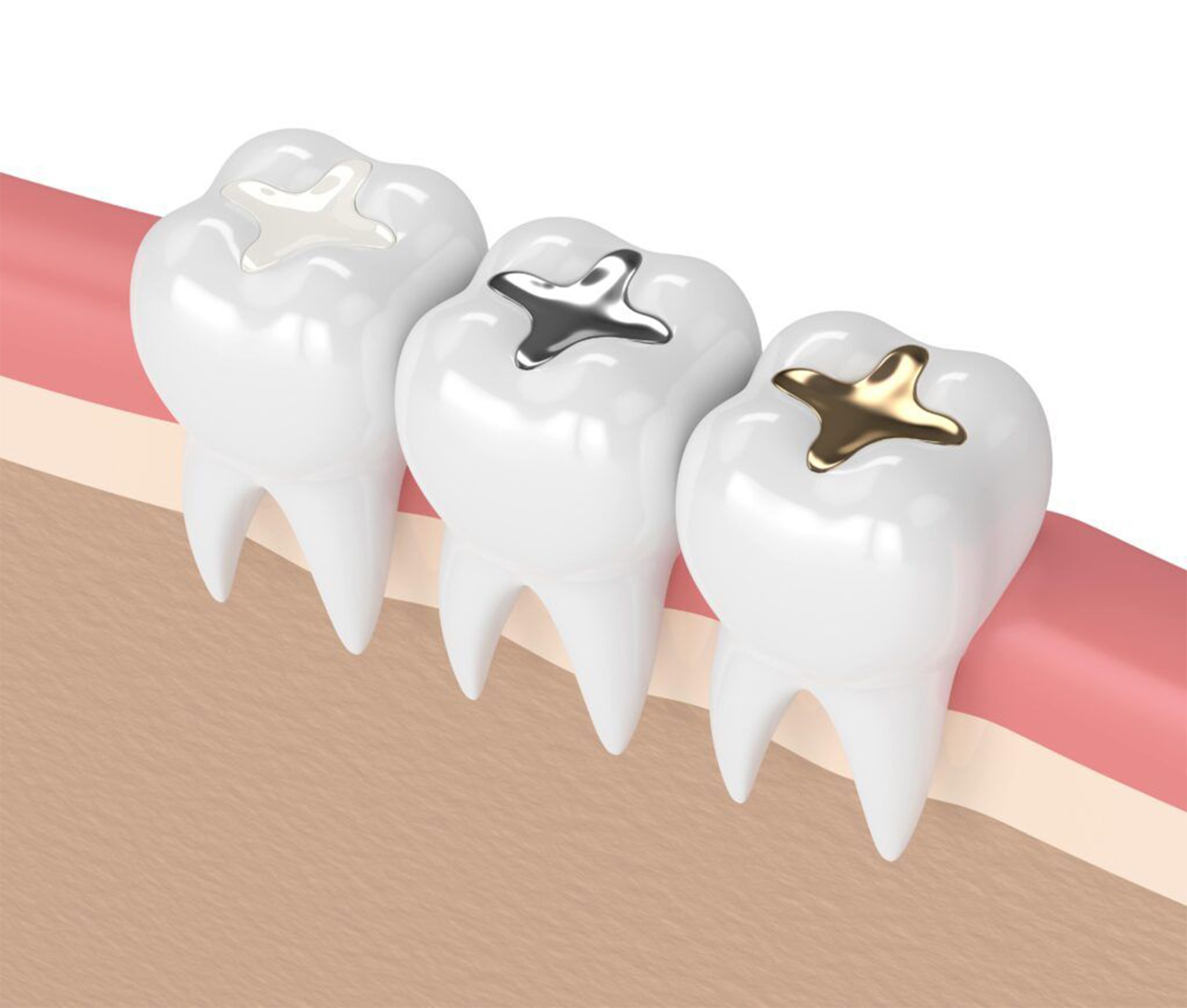

Types of Restorations
Direct and indirect restorations help repair teeth, depending on the problem. Direct restorations are placed immediately in the mouth, while indirect restorations are fabricated outside and bonded later. Both methods aim to restore a tooth’s function, appearance, and structure.
Glass Ionomer Cement (GIC): Bonds chemically to teeth and releases fluoride for protection.
Composite Restorations: Restoration of tooth form and function can match your natural shade and is used in cosmetic applications like closing gaps or repairing chips.
Indirect Restorations: Include inlays, onlays, veneers, crowns, and bridges, often requiring two or more dental visits.
Dentists select the material based on your dental problem. Composite restorations are layered and hardened using a specialized light, then polished to prevent staining and early wear. GIC and indirect restorations provide durable protection while restoring chewing function.
Who needs Restorative Dentistry?
Restorative dentistry is recommended for people with cavities, tooth decay, or damaged and broken teeth. Missing teeth can also be addressed with certain restorations. Treating issues early ensures long-term dental health and prevents further complications.
Conditions requiring restorative dentistry:
- Cavities or tooth decay
- Damaged or broken teeth
- Missing teeth
Early intervention with dental fillings or other measures keeps teeth strong, functional, and healthy. Restorative dentistry not only repairs damage but also enhances comfort and confidence while eating or speaking.
Direct Restorations:
Direct restorations are applied immediately after removing dental caries. They include materials like GIC or composite resins that bond to your teeth and restore function. These fillings help protect against further dental decay while maintaining tooth integrity.
GIC: Releases fluoride and bonds chemically to the tooth.
Composite: Shade-matched to your teeth, layered, light-cured, and polished for durability.
Direct restorations are also used for cosmetic improvements, like closing small gaps or repairing minor chips. Minimal tooth trimming may be needed, depending on the case, ensuring a natural, comfortable result.
Indirect Restorations:
Indirect restorations are fabricated outside the mouth using precise records of the prepared tooth. They are then permanently bonded with dental cement. These restorations provide strong, durable solutions for teeth that require more extensive repair.
Types include:
- Inlays
- Onlays
- Porcelain veneers
- Crowns
- Bridges
Indirect restorations usually need two or more visits. They restore tooth structure, function, and appearance while providing long-lasting protection. Dentists carefully choose the type based on the patient’s needs.
Post-Treatment Instructions:
Dental Fillings and restorative dentistry often raise some questions in your mind about what happens after the procedure, how it will go, and what to do.
Here’s exactly what you need to and are supposed to do after treatment:
- Proper care after a filling ensures long-lasting results and prevents damage.
- Contact the dentist if high spots or chewing difficulty occur.
- Mild sensitivity to hot and cold is normal and will fade.
- Brush and floss daily; schedule follow-ups every 6 months.
- Avoid biting hard foods like ice, nuts, or sticky caramel.
- Limit tobacco, coffee, and tea to prevent staining.
Following these instructions protects your new fillings and maintains oral health. Dental Fillings and restorative dentistry work best when combined with proper home care and regular dental visits.
With the right care, Dental Fillings and restorative dentistry restore teeth, prevent dental decay, and keep your smile healthy and confident. Early intervention ensures strong teeth and lasting oral health.

FAQS
1. How do I know I need a dental filling?
Your dentist will check for cavities, dental sensitivity, or visible holes in your teeth. These symptoms indicate that a filling may be necessary.
2. Are dental fillings painful?
Most fillings are painless, and local anesthesia may be used for comfort. Mild sensitivity can occur afterward but typically resolves in a few days.
3. Can I eat right after a dental filling?
Wait 30 minutes to 1 hour before eating. For some restorations like GIC, avoid food or drinks for 30–45 minutes and stick to soft foods for 24 hours.