

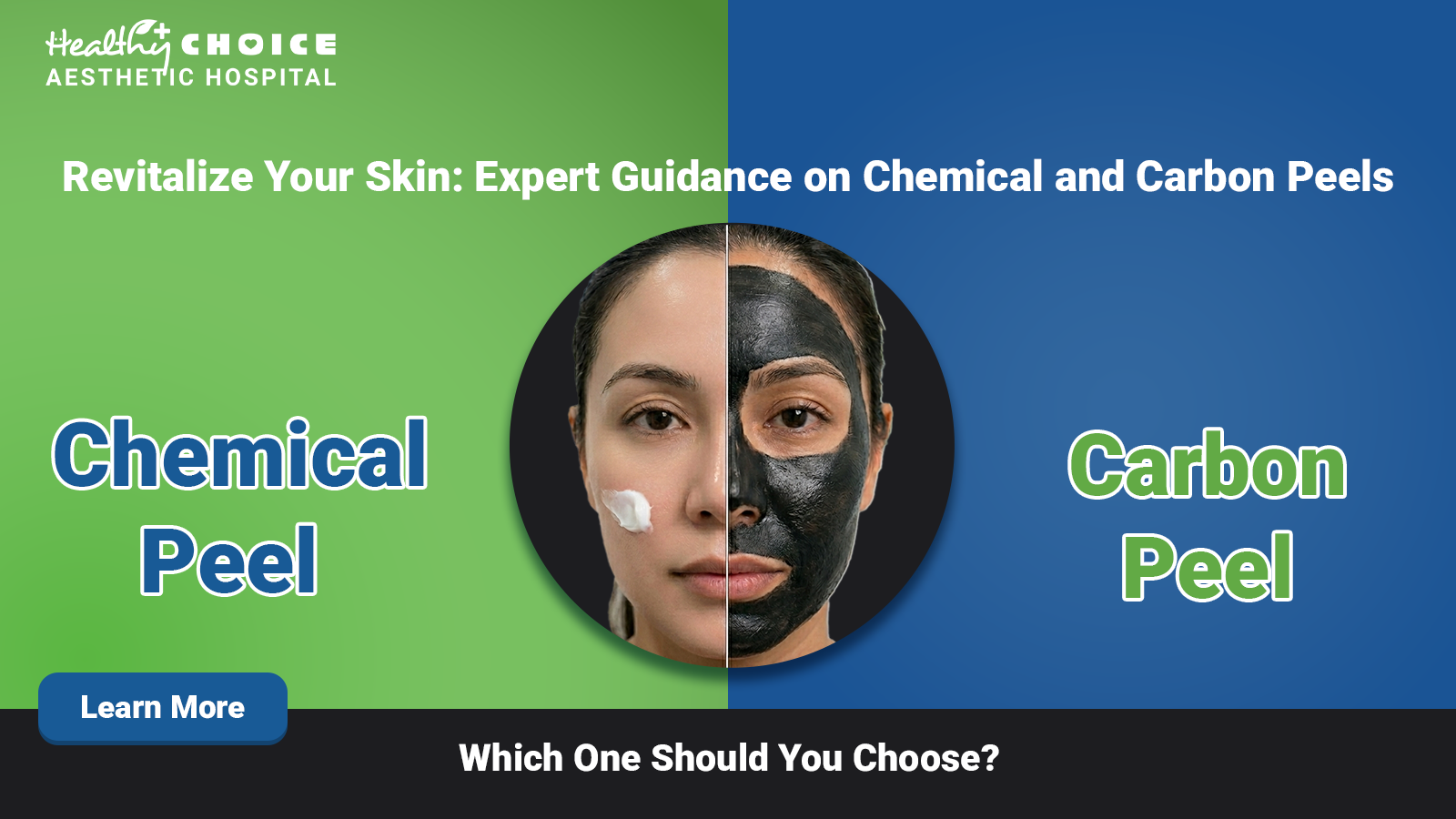
Chemical Peel vs Carbon Peel: Which One Should You Choose?
Skin care treatments have become more advanced in recent years. Many people now explore professional procedures to improve skin tone, texture, and overall appearance. Among the popular options, chemical peel and carbon peel treatments are often discussed.
Both procedures aim to improve skin quality and address common concerns like dull skin, acne, or uneven texture. However, the way these treatments work is very different. Each one targets the skin using a unique approach.
Because of these differences, choosing the right treatment requires understanding its purpose and benefits. Knowing how each treatment works can help individuals select the option that suits their skin condition and goals.
What is a Chemical Peel?
Understanding the Treatment
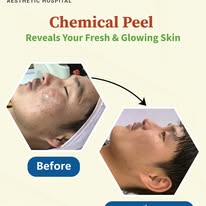
A chemical peel is a skin resurfacing treatment that uses special chemical solutions to exfoliate the outer layer of the skin. The solution helps remove dead skin cells and encourages new skin growth. This process helps reveal fresher and smoother skin underneath.
The treatment is applied directly to the skin and left for a specific time before being neutralized or washed away. Depending on the type of peel, the treatment can work on the surface layer or slightly deeper layers of the skin.
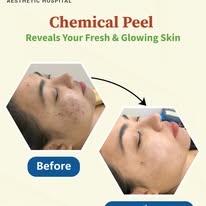
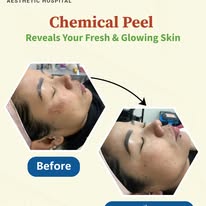
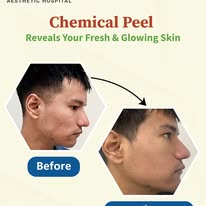
Chemical peels are commonly used to improve skin tone, reduce acne marks, and brighten dull skin. The treatment promotes natural skin renewal, which helps improve overall skin appearance.
Purpose and Benefits of Chemical Peels
The main purpose of a chemical peel is to remove damaged skin layers and stimulate new cell growth. By encouraging skin renewal, the treatment can help improve texture and reduce visible imperfections.
Chemical peels are also used to treat mild pigmentation, acne scars, and uneven skin tone. As the outer skin layer exfoliates, new skin cells appear smoother and brighter.
Over time, repeated sessions may help improve skin clarity and provide a more even complexion. This makes chemical peels a widely used treatment for skin rejuvenation.
What is a Carbon Peel?
Understanding the Laser-Based Treatment
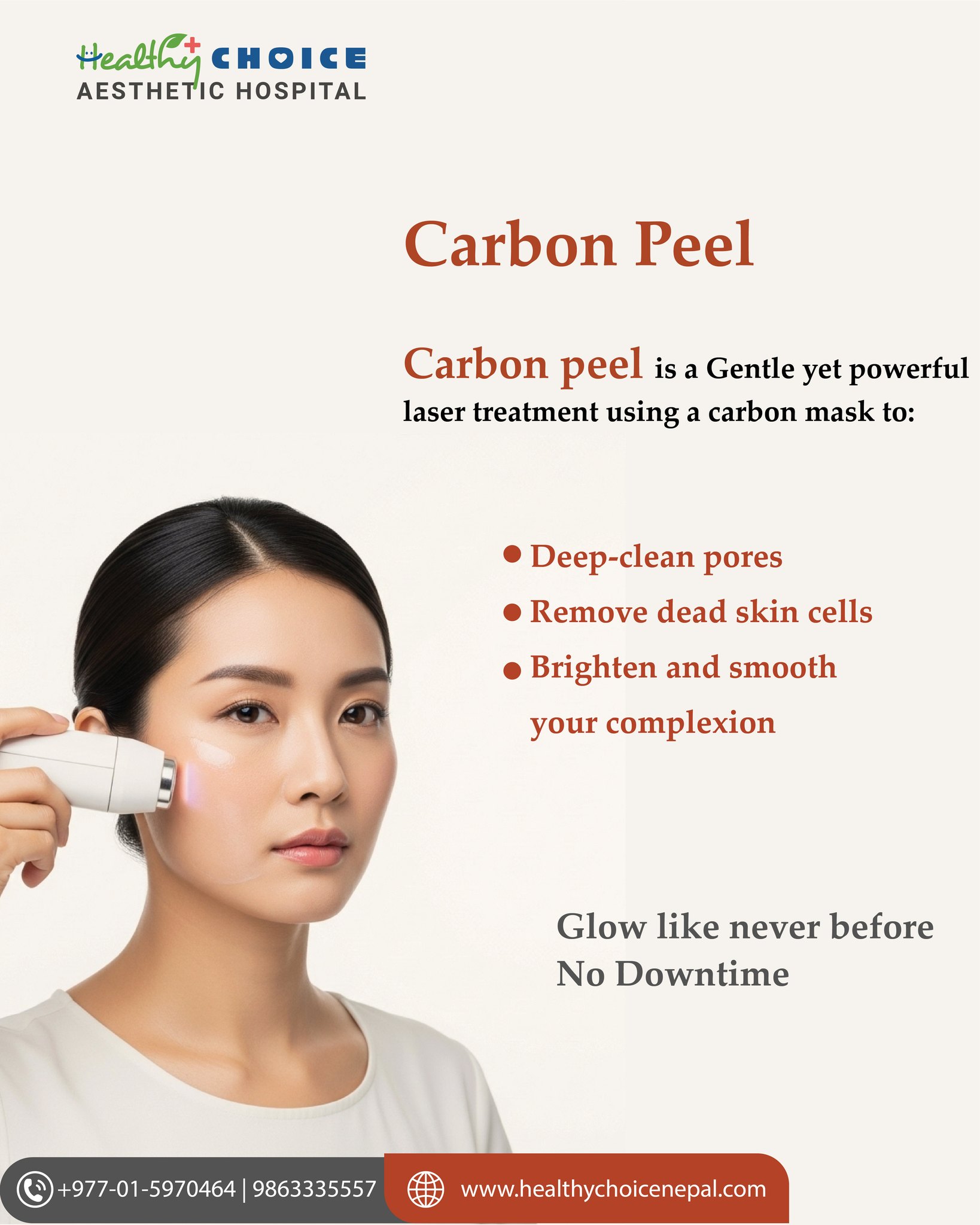
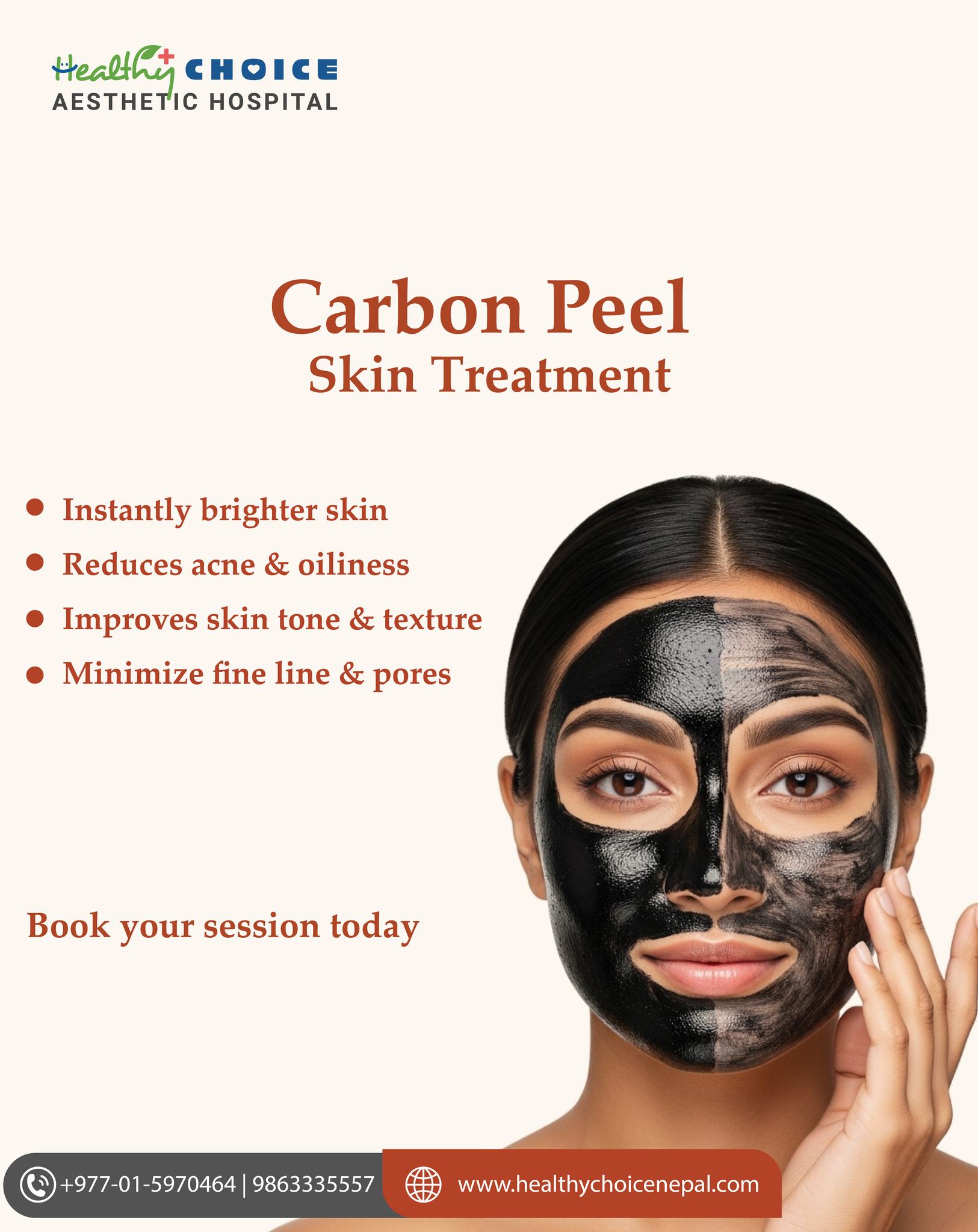
Carbon peel is a modern skin treatment that combines liquid carbon and laser technology. During the procedure, a thin layer of carbon lotion is applied to the skin. The carbon particles absorb oil, dirt, and impurities from deep within the pores.
A laser is then used over the treated area. The laser energy heats and removes the carbon along with the impurities attached to it. This process helps cleanse the skin and tighten pores.
The treatment is often referred to as a laser carbon facial because it provides deep cleansing and skin rejuvenation with minimal downtime.
Purpose and Benefits of Carbon Peel
The main purpose of carbon peel treatment is deep skin cleansing and oil control. The procedure helps remove impurities from pores and improve overall skin clarity.
Carbon peel is often recommended for individuals with oily skin, enlarged pores, and acne-prone skin. The laser energy also stimulates collagen production, which can improve skin smoothness.
Because the treatment works on both surface cleansing and skin tightening, it can leave the skin looking refreshed and more refined.
Key Differences Between Chemical Peel and Carbon Peel
Although both treatments aim to improve skin quality, their methods and effects are different.
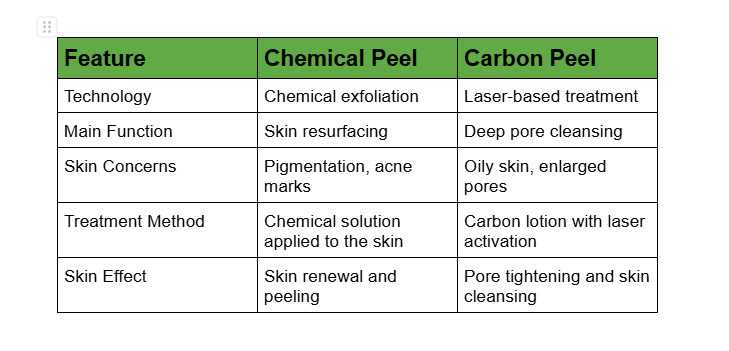
Chemical peels focus on removing damaged skin layers. Carbon peels focus on deep pore cleaning and oil control using laser energy.
Understanding these differences helps determine which treatment may be more suitable for specific skin concerns.
Who Should Choose a Chemical Peel?
Chemical peel treatments are often recommended for people dealing with uneven skin tone or dull skin. The exfoliating action helps remove dead cells and reveal brighter skin underneath.
Individuals with mild acne scars, pigmentation, or rough skin texture may also benefit from this treatment. Because the peel promotes skin renewal, it can gradually improve skin clarity.
Chemical peels may be suitable for those who want a treatment focused on skin resurfacing and cell renewal. A professional evaluation is usually recommended before selecting the type of peel.
Who Should Choose Carbon Peel?
Carbon peel treatments are often suitable for individuals with oily or acne-prone skin. The carbon particles absorb oil and impurities from deep within the pores.
People experiencing enlarged pores or frequent breakouts may benefit from the deep cleansing effect of this treatment. The laser energy also helps tighten pores and refine the skin surface.
Carbon peel may be preferred by those looking for a quick skin-refreshing treatment with minimal recovery time. The procedure is commonly chosen for improving skin clarity and oil balance.
Why Is It Important to Know the Difference Before Treatment?
Understanding the difference between chemical peel and carbon peel treatments helps individuals choose the most appropriate option for their skin needs. Each procedure addresses different concerns and works through different methods.
Selecting the wrong treatment may lead to results that do not fully address the skin concern. For example, someone seeking deep pore cleansing may not achieve the same result with a resurfacing treatment alone.
By learning about the purpose and benefits of each procedure, individuals can make more informed decisions. Consulting with a qualified skin specialist also helps ensure the treatment aligns with personal skin goals.
Conclusion
Modern aesthetic treatments offer several solutions for improving skin health and appearance. Among them, chemical peel and carbon peel treatments are two popular options used for skin rejuvenation.
Chemical peels focus on exfoliating damaged skin layers and encouraging new cell growth. This makes them suitable for improving skin tone, texture, and mild pigmentation.
Carbon peels work through laser technology and carbon particles to cleanse pores and control oil. The treatment helps refine skin texture and improve clarity.
Understanding the differences between these treatments allows individuals to select the option that best matches their skin condition and desired results.