

Surgery Diet Plan

What to Eat Before and After Surgery: Complete Surgery Recovery Diet Guide for Faster Healing
Surgery places extra demands on the body. Healing takes energy, nutrients, and proper care. One of the most important parts of recovery is knowing what to eat before and after surgery. The right foods can support healing and help the body regain strength.
Many people focus only on the procedure itself. However, food plays a major role in the healing process. A good surgery recovery diet can help support tissue repair, maintain muscle strength, and provide the nutrients needed during recovery. It can also help the body cope with the stress of surgery.
Both the days before surgery and the recovery period afterward matter. Choosing the right foods can support nutrition after surgery, improve energy levels, and help the body heal more efficiently. Understanding which nutrients and foods are most beneficial can make a significant difference in post-surgery recovery.

Why Nutrition After Surgery Matters for Recovery
The body needs more nutrients during healing. Surgery creates stress on tissues, muscles, and the immune system. To repair this damage, the body requires additional calories, protein, vitamins, minerals, and fluids. This is why nutrition after surgery is an important part of recovery.
A well-planned surgical recovery diet can help reduce the risk of complications. Good nutrition supports wound healing, strengthens the immune system, and helps maintain muscle mass. These factors contribute to better mobility, improved strength, and a smoother recovery process.
Poor food intake can slow healing. When the body does not receive enough energy or protein, it may begin using muscle tissue as a source of fuel. This loss of muscle can affect physical function and delay recovery after surgery. Maintaining a balanced diet helps protect the body during this demanding period.
Good nutrition also supports emotional and physical well-being. Patients often experience fatigue, weakness, or a reduced appetite after surgery. Following proper nutrition for surgery recovery helps provide the resources the body needs to heal and regain normal function.
Best Foods to Eat Before Surgery
Preparing for surgery starts with good nutrition. In the weeks leading up to a procedure, the body benefits from a balanced diet that includes protein, healthy carbohydrates, fruits, vegetables, and fluids. These foods help build nutritional reserves that may support recovery later.
Protein-rich foods are especially important. Chicken, fish, eggs, dairy products, tofu, beans, and lentils provide amino acids that help maintain muscle tissue. Including these foods regularly can help prepare the body for the healing process.
Whole grains, fruits, and vegetables supply vitamins, minerals, and energy. Foods such as oats, brown rice, whole-grain bread, berries, oranges, and leafy greens contribute important nutrients that support overall health. These are some of the best foods to eat before surgery because they help create a strong nutritional foundation.
Hydration should not be overlooked. Drinking enough water and other suitable fluids helps maintain normal body functions. Proper hydration supports circulation, nutrient delivery, and overall readiness for surgery.
Best Foods After Surgery for Wound Healing
The body enters a repair phase after surgery. During this time, choosing the best foods after surgery can support healing and recovery. Nutrient-rich meals provide the building blocks needed to repair tissues and restore strength.
Protein, vitamins, minerals, and fluids all play important roles. These nutrients help create new tissue, support immune function, and maintain muscle mass. Including a variety of wound healing foods can help meet these increased nutritional needs.
Soft and easy-to-eat meals are often helpful during the early stages of recovery. Foods such as yogurt, eggs, cottage cheese, fish, soups, and well-cooked vegetables may be easier to tolerate. Eating smaller meals throughout the day can also help increase nutrient intake.
Many patients wonder, ” What foods help wound healing after surgery? The answer includes foods rich in protein, vitamin C, iron, and zinc. These nutrients are directly involved in tissue repair and wound healing.
Protein for Wound Healing
Protein is one of the most important nutrients during recovery. It helps repair damaged tissues and supports the growth of new cells. Adequate protein for wound healing can improve the body’s ability to recover after surgery.
Animal-based protein sources include lean meat, poultry, fish, eggs, milk, yogurt, and cheese. Plant-based options include tofu, beans, lentils, chickpeas, nuts, and seeds. Including protein at every meal can help support healing.
The body often needs more protein than usual during recovery. Consistent intake throughout the day may help maintain muscle strength and support tissue repair. This is why many experts recommend focusing on high-protein foods after surgery.
Protein also supports immune function. A stronger immune response can help the body manage the healing process more effectively and contribute to healthy recovery after surgery.
Vitamins and Minerals for Wound Healing
Several vitamins and minerals support recovery. Among the most important are vitamin C, iron, and zinc. These nutrients help with tissue repair, oxygen delivery, and new cell formation.
Vitamin C supports collagen production and helps the body absorb iron. Citrus fruits, berries, tomatoes, peppers, and broccoli are excellent sources. Including these foods regularly can contribute to vitamins for wound healing.
Iron helps carry oxygen through the bloodstream. Oxygen is essential for tissue repair and wound healing. Good sources include lean red meat, fish, eggs, beans, lentils, nuts, seeds, and dark leafy vegetables.
Zinc supports new tissue growth and immune function. Foods such as dairy products, lean meats, seafood, beans, lentils, nuts, and whole grains provide this important mineral. Together, these vitamins and minerals for wound healing play a vital role in recovery.
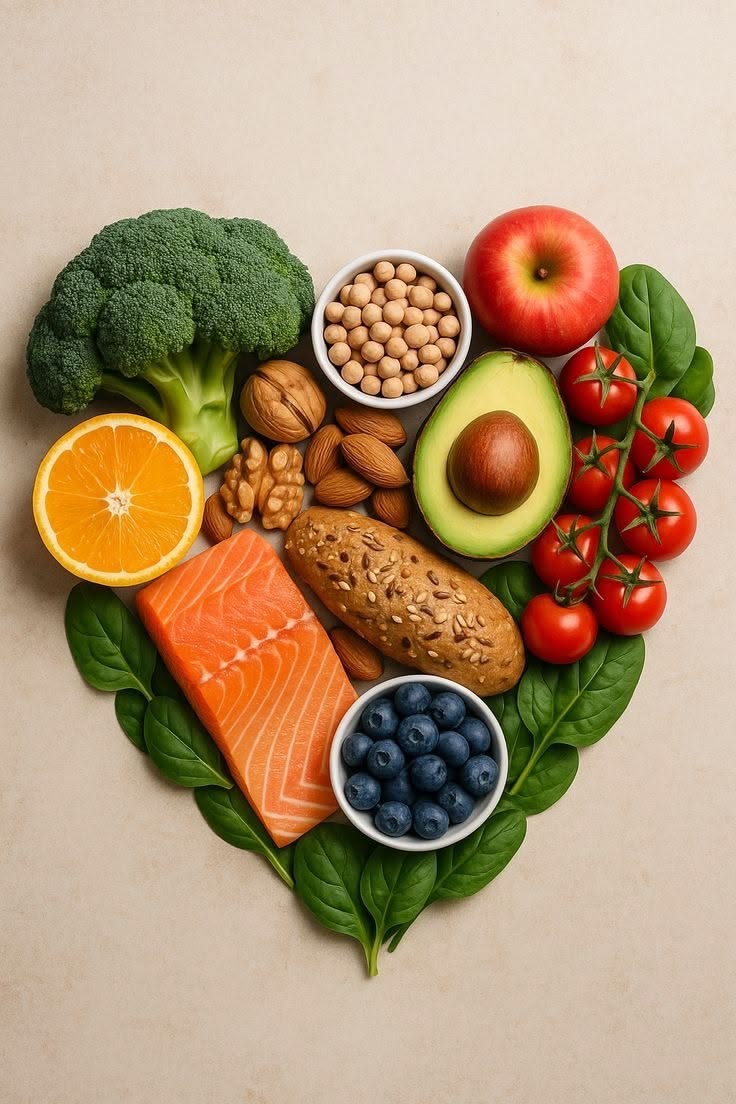
High-Protein Foods After Surgery
Protein needs often increase after surgery. Choosing high-protein foods after surgery can help support tissue repair and preserve muscle mass. These foods provide essential amino acids needed for healing.
Examples include chicken, turkey, fish, eggs, Greek yogurt, cottage cheese, milk, tofu, lentils, chickpeas, and beans. These foods can be included in meals or snacks throughout the day. Consistent intake helps support recovery.
Protein-rich meals do not need to be complicated. A simple meal of eggs and whole-grain toast, grilled fish with vegetables, or yogurt with nuts can provide valuable nutrition. These foods contribute to effective post-surgical nutrition.
Patients with a reduced appetite may benefit from smaller meals and snacks. Protein-rich drinks, smoothies, and fortified milk can also help increase intake when eating large meals is difficult.
Hydration After Surgery and Recovery
Fluids are essential for healing. Proper hydration after surgery helps transport nutrients, support circulation, and maintain healthy tissues. Dehydration can slow recovery and affect overall well-being.
Water is an excellent choice, but other fluids can also contribute. Milk, diluted fruit juices, tea, and suitable beverages may help meet daily fluid needs. The goal is to maintain adequate hydration throughout recovery.
Fluid intake may also help reduce constipation, which is common after surgery. Staying hydrated supports normal digestive function and can make recovery more comfortable.
Good hydration works together with proper nutrition. Both are important parts of recovery nutrition after surgery and should be considered daily throughout the healing period.
How to Recover Faster After Surgery with Proper Nutrition
Many patients ask how to recover faster after surgery. While recovery takes time, proper nutrition can help support the healing process. The body needs energy, protein, vitamins, minerals, and fluids to repair tissues and regain strength. A balanced diet helps provide these nutrients every day.
Eating regularly is important during recovery. Long gaps between meals can make it harder to meet nutritional needs. Smaller meals and snacks throughout the day may be easier to manage, especially if appetite is low. This approach can support consistent energy and nutrient intake.
Protein should be included in every meal whenever possible. Foods such as eggs, fish, dairy products, chicken, tofu, beans, and lentils provide nutrients that support healing. These are also examples of foods for healing that can help the body recover after surgery.
Hydration is equally important. Fluids help transport nutrients to healing tissues and support normal body functions. Combining good hydration with a balanced diet after surgery recovery can help create the right conditions for recovery.
Managing Poor Appetite During Recovery
A reduced appetite is common after surgery. Pain, medication, fatigue, and changes in routine can all affect hunger. When eating feels difficult, it is important to focus on nutrient-rich foods.
Eating smaller amounts more often may help increase food intake. Instead of three large meals, patients can try eating every two to three hours. This can make it easier to meet nutritional needs without feeling overwhelmed.
Protein-rich snacks can be useful between meals. Yogurt, cheese, eggs, nuts, nut butter, and protein-rich sandwiches are good options. These foods contribute to recovery after surgery by providing nutrients needed for tissue repair.
Patients should also choose foods they enjoy. Familiar and appealing foods are often easier to eat during recovery. Maintaining consistent food intake is one of the key goals of recovery nutrition after surgery.
Managing Nausea After Surgery
Nausea is a common side effect after surgery. Some medications and anesthesia can affect the stomach and reduce appetite. This may make it difficult to eat normal meals.
Small portions are often easier to tolerate. Plain foods such as crackers, toast, rice, and simple sandwiches may help when nausea is present. Eating slowly can also reduce discomfort.
Some patients find cold foods easier to eat than hot meals. Yogurt, chilled fruit, cold sandwiches, and dairy products may produce fewer food smells. This can help make eating more comfortable.
Staying hydrated remains important during periods of nausea. Taking small sips throughout the day may help maintain fluid intake. Good hydration supports both comfort and healing during post-surgery recovery.
Managing Constipation After Surgery
Constipation is another common concern after surgery. Reduced movement, pain medications, and changes in eating habits can slow digestion. This can affect comfort and appetite during recovery.
Fluid intake plays a major role in digestive health. Drinking enough water and other suitable fluids helps support normal bowel function. This is another reason why hydration after surgery should remain a priority.
Foods that contain fiber may also help. Fruits, vegetables, beans, lentils, and whole grains provide fiber that supports healthy digestion. Including these foods as part of a balanced diet may improve comfort during recovery.
Gentle movement, when approved by a healthcare provider, may also support bowel function. Combining fluids, fiber, and activity can help reduce constipation and support healthy recovery after surgery.
Foods to Limit During Post-Surgery Recovery
The focus during recovery should be on nourishment rather than restriction. The body requires energy and nutrients to heal. Limiting food intake too much can make recovery more difficult.
Alcohol should generally be avoided during recovery. It can contribute to dehydration and may interfere with healing. Alcohol may also interact with certain medications used after surgery.
Highly processed foods may provide calories but often contain fewer beneficial nutrients. While occasional convenience foods may be useful, nutrient-rich meals should remain the main focus. Whole foods generally provide better support for healing.
Crash diets and aggressive weight-loss plans are not recommended during post surgery recovery. The body needs adequate nutrition to repair tissues and maintain muscle strength. Weight management goals can usually be addressed after healing is complete.
Creating a Healthy Recovery After Surgery Meal Plan
A simple meal plan can make recovery easier. Planning meals ahead of time helps reduce stress and ensures nutritious foods are available when needed. Preparation before surgery can also make the recovery period more comfortable.
Breakfast may include eggs, yogurt, oatmeal, or whole-grain toast with protein-rich toppings. These foods provide energy and nutrients to start the day. Including protein early in the day helps support healing.
Lunch and dinner should combine protein, vegetables, and a source of carbohydrates. Examples include chicken with rice and vegetables, fish with potatoes, lentil curry with rice, or tofu with whole grains. These meals support post-surgical nutrition and overall recovery.
Nutritious snacks can help increase daily intake. Cheese, yogurt, nuts, seeds, smoothies, milk-based drinks, and protein-rich sandwiches are practical options. Including these foods regularly can support a balanced surgery recovery diet.
Conclusion
Understanding what to eat before and after surgery can help patients support the healing process. Good nutrition provides the protein, vitamins, minerals, energy, and fluids needed for recovery. These nutrients help the body repair tissues and regain strength.
A balanced surgery recovery diet should include protein-rich foods, fruits, vegetables, whole grains, and adequate fluids. Nutrients such as iron, vitamin C, and zinc play important roles in tissue repair and wound healing. Choosing the right wound healing foods can help support recovery.
Patients should also focus on hydration and regular meals throughout the healing period. Small meals, nutritious snacks, and adequate fluid intake can help overcome common recovery challenges. These habits support effective nutrition after surgery and contribute to better outcomes.