

DHI (Direct Hair Implantation)

Seeking for best technologies for Hair Transplantation?
Hair loss can affect more than just your appearance. For many individuals, thinning hair or baldness can impact confidence, self-image, and overall quality of life. Fortunately, advancements in hair restoration technology have introduced more precise and effective treatment options that deliver natural-looking results.
Among the modern hair transplant techniques available today, Direct Hair Implantation (DHI) has emerged as one of the most advanced solutions. The procedure is designed to restore hair density while maintaining a natural hairline, making it a popular choice among individuals seeking long-lasting hair restoration. Its minimally invasive approach also contributes to greater comfort and a smoother recovery process.
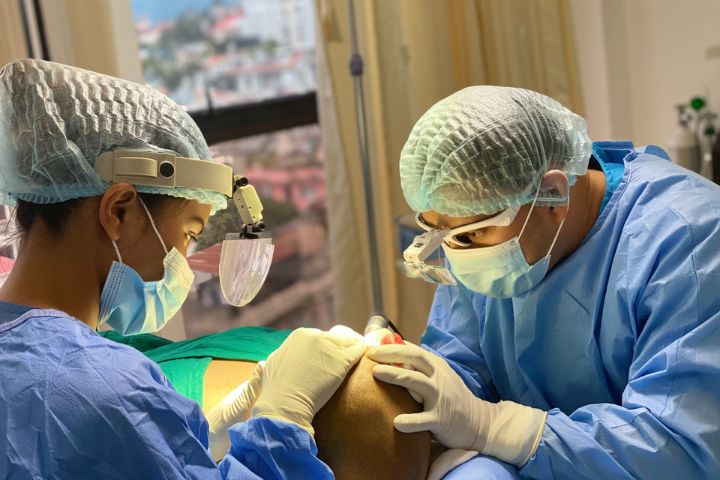
In simple terms, DHI Hair Transplant stands for Direct Hair Implantation. This advanced technique involves extracting healthy hair follicles from the donor area and implanting them directly into the recipient area using specialized CHOI implantation pens. Unlike traditional methods, DHI does not require extensive incisions or stitches, allowing surgeons to control the angle, depth, and direction of each implanted follicle with exceptional precision for natural and dense-looking results.
How Does DHI Hair Transplantation Operate?
The DHI hair transplant procedure follows a carefully planned process designed to maximize graft survival and achieve natural-looking outcomes. Each stage plays a vital role in ensuring the successful extraction, implantation, and growth of healthy hair follicles.
DHI hair transplant uses a specific process that is broken down into six stages:
- Advice and evaluation: Visit a specialist in the first stage to assess the degree of hair loss and decide whether a DHI hair transplant is the best course of action.
- Constructing: The hair transplantation team trims the hair in the donor and recipient areas prior to the procedure. Then, Hairline is created and slits are made by the surgeon. Additionally, local anaesthetic is used to numb the region at both the donor and recipient locations.
- Getting Hair Follicles Out: The donor area, which is often on the back or sides of the head or beard, is where the surgeon extracts the hair follicles using a specific tool called a micro-punch. These hair follicles must be carefully retrieved and conserved because they might not be genetically identical to the hair in the recipient area.
- Hair follicle placement: Then, using a unique pen known as a CHOI pen, which allows for more control and precision, the removed hair follicles are injected one by one into the recipient area. The method is manual, and the surgeon’s technique determines the direction, depth, and dispersion of the hair follicles.
- Grafting: The medical staff makes sure the follicles are securely seated in their new location once they are placed, at which point the implantation is finished.
- Maintenance: The patient is given painkillers to help with any discomfort. The patient is recommended to stay away from the treated area for the first week and to limit their exposure to the sun.
From the initial consultation to post-procedure care, every step of DHI hair transplantation is performed with precision and attention to detail. Following your surgeon’s instructions throughout the recovery period can significantly contribute to optimal results and long-term hair growth success.
What should be taken into account following the DHI Technique?
The patient should take care of the area where the hair transplant is applied, avoid using hair loss-causing medications unless absolutely necessary, and have their testosterone hormone levels checked regularly after undergoing hair transplant treatment using the DHI technique. Additionally, it’s best to abstain from using dangerous substances like alcohol and cigarettes.
Proper aftercare is essential for achieving the best possible outcome after a DHI hair transplant. Patients should avoid scratching, rubbing, or applying pressure to the treated area during the initial healing phase. Maintaining scalp hygiene according to the surgeon’s instructions can help protect newly implanted follicles and support healthy growth.
A healthy lifestyle can also contribute to long-term transplant success. Consuming a balanced diet rich in vitamins, minerals, and proteins supports hair growth, while managing stress levels may help reduce additional hair loss. Regular follow-up appointments allow the medical team to monitor progress and address any concerns during the recovery journey.
How Does DHI Hair Transplantation Operate?
Benefits of DHI Hair Transplantation:
DHI hair transplantation has gained worldwide popularity due to its advanced implantation technology and ability to deliver highly natural-looking results. The technique offers several advantages that make it a preferred choice for individuals seeking effective and minimally invasive hair restoration.
- Pinpoint Precision Hair Follicle Implantation: CHOI pens offer greater control and hair follicle implantation with pinpoint accuracy. Denser and fuller hair as a result produces more natural-looking outcomes.
- No Scarring or Stitches: Since DHI hair transplantation does not require an incision, there will be no scarring or stitches.
- Minimally intrusive Procedure: Compared to other hair transplant treatments, this one is less intrusive and usually requires local anaesthetic, making it more comfortable and less painful.
- Quicker Healing: Since DHI hair transplantation doesn’t involve any cuts or sutures, the recovery period is typically quicker. As a result, patients can get back to their regular routines quicker than with alternative techniques.
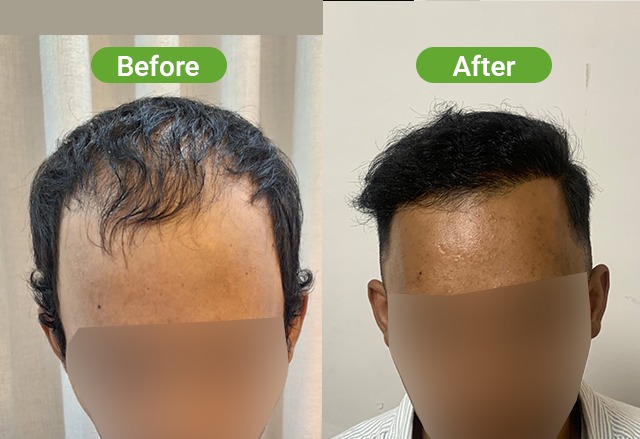
- High Success Rate: The transplanted hair looks and feels perfectly natural, and DHI hair transplantation boasts a high success rate. Many people may experience anxiety and low self-esteem as a result of hair loss. Fortunately, DHI hair transplant provides a minimally invasive, safe, and efficient way of hair replacement. The procedure is quick, accurate, and has a high success rate, making it a great option for people looking to improve their overall appearance and restore their hairline. A knowledgeable surgeon should be consulted if you are thinking about getting a hair transplant to help you choose the procedure that will work best for you.
The combination of precision, comfort, and natural outcomes makes DHI one of the most advanced hair transplant techniques available today. With high graft survival rates, minimal scarring, and faster recovery times, DHI offers an effective solution for restoring hair density and confidence. However, achieving optimal results depends greatly on proper candidate selection and the expertise of an experienced hair transplant surgeon who can tailor the procedure to individual needs and expectations.
What is the duration of the DHI hair transplant procedure?
The amount of hair loss and the quantity of hair follicles to be transplanted are two criteria that affect how long the DHI hair transplantation procedure takes. The DHI process, however, is reasonably quick compared to other hair transplant techniques, and a whole treatment could take 4 to 8 hours.
The length of a DHI hair transplant procedure varies based on the extent of hair loss, the size of the treatment area, and the number of grafts required. Patients requiring a higher number of follicular grafts may need a longer treatment session to ensure accurate implantation and optimal density.
Although the procedure may take several hours, it is typically performed under local anesthesia, allowing patients to remain comfortable throughout the treatment. The meticulous nature of DHI implantation prioritizes precision over speed, ensuring each follicle is strategically placed to create a natural hairline and long-lasting results.
Who should not receive Hair Transplantation?
While DHI hair transplantation is a safe and effective solution for many individuals experiencing hair loss, not everyone is an ideal candidate for the procedure. Certain medical conditions, health concerns, and lifestyle factors may affect treatment eligibility and overall success rates. Patients who fall into the categories listed below should undergo a comprehensive medical evaluation before considering DHI hair transplantation.
- Age: DHI hair transplantation is not advised for patients under the age of 18, as the pattern of hair loss may not yet have stabilized.
- Significant hair loss: People who have lost a lot of hair might not have enough donor hair to go through with a DHI hair transplant. Other therapies, such hair transplantation using the FUE technique or SMP, may be more appropriate in such circumstances.
- Health issues: People with certain health issues, such as diabetes, hypertension, and autoimmune disorders, might not be good candidates for a DHI hair transplant.
- Allergies and sensitivities: DHI hair transplant may not be an option for people who are sensitive to local anesthetic, hair follicles, or any other element of the transplant surgery.
- Healing issues: DHI hair transplants may not be appropriate for people who have trouble recovering from surgery, those who have keloid scarring, or those who have issues with wound healing.
- Active scalp infection: Patients who are currently dealing with an active scalp infection may not be eligible for DHI hair transplantation until the infection has been completely treated.
A thorough consultation with a qualified hair transplant specialist is essential to determine whether DHI is the most suitable treatment option. By carefully assessing medical history, scalp condition, donor hair availability, and overall health, the surgeon can recommend the safest and most effective hair restoration approach tailored to each individual’s needs.