

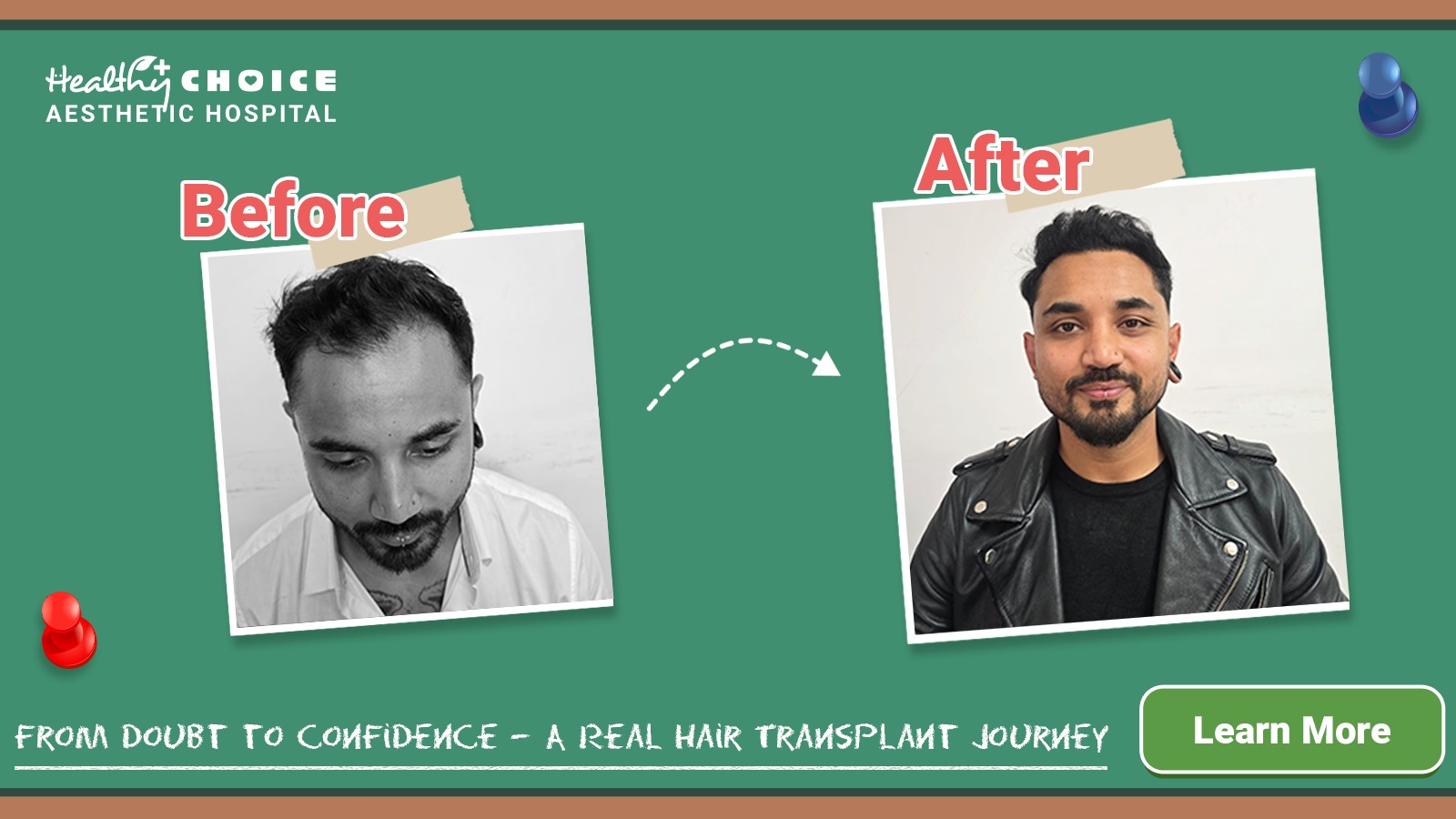
Satish Raj Bhandari’s Hair Restoration Journey: A Planned Hair Transplant
Hair loss is an incredibly gradual process that can influence appearance, confidence, and self-perception. Many individuals experience thinning hair along the hairline, prompting them to seek reliable medical solutions. Hair transplantation remains one of the most effective long-term options for natural hair restoration.
For an individual concerned about maintaining facial harmony, hairline restoration plays a crucial role. Addressing hair loss is not only an aesthetic decision but also a step toward regaining confidence. Precision and planning are essential to achieve natural-looking results.
Advancements in hair transplant techniques now allow for accurate graft placement with improved survival rates. A structured consultation, proper graft planning, and controlled implantation contribute significantly to successful outcomes.
Understanding Hair Loss: The Case of Satish Raj Bhandari
Hair loss can occur due to genetic predisposition, lifestyle factors, or age-related changes. In Satish Raj Bhandari’s case, hair thinning primarily affected the frontal hairline. The concern was focused on restoring density while maintaining a natural appearance.
Clinical scalp assessment revealed no active lesions, dandruff, or allergic conditions. Vital signs remained within normal limits, confirming medical fitness for the procedure. This evaluation ensured procedural safety and effectiveness.
Based on the assessment, Satish was identified as a suitable candidate for hair transplantation. A professional diagnosis and scalp evaluation are essential to minimize risk and optimize graft survival.
The Consultation and Surgical Planning Process
A detailed hair consultation was conducted before surgery. This included an evaluation of scalp condition, hair density, and donor area capacity. Graft estimation was performed to ensure balanced coverage.
The treatment plan estimated approximately 2300 grafts, focusing primarily on the hairline. A patch test was conducted to rule out anesthetic reactions. Vital signs, including blood pressure, were closely monitored.
A clear explanation of the procedure and post-care expectations was provided. Proper planning and patient education help reduce complications and ensure a smooth surgical experience.
The Hair Transplant Procedure
Satish’s Hair Transplant was performed under a controlled OT environment using the Pen Implant Method. This technique allows for precise graft placement with minimal handling. It supports natural growth direction and density control.
Key Procedure Highlights:
- Slits Created: 2035 (Normal)
- Grafts Extracted: 2200
- Grafts Implanted: 2035
- Implantation Area: Hairline
- Implantation Method: Pen Implant Technique
The hairline was carefully designed, with single grafts placed toward the sides and angled at 45° toward the crown. This approach ensured a natural transition and realistic hair growth pattern.
Clinical Execution and Monitoring
The client was received in the operating theater at 11: 50 PM. Consent and pre-care protocols were completed before the procedure. A patch test was performed at 12: 15 PM, followed by PRP preparation.
Slit creation began at 1: 05 PM and was completed by 1: 50 PM. Extraction and implantation followed in planned intervals, ensuring graft viability. A total of 165 graft transactions were recorded.
Throughout the procedure, blood pressure remained stable. No adverse reactions to lidocaine with adrenaline were observed. The surgery was completed without complications.
Post-Procedure Care and Recovery
Post-operative care is essential for long-term transplant success. The client received detailed instructions on scalp hygiene, medication use, and activity limitations. Dressing and post-procedure photographs were completed.
Patients are advised to avoid physical stress on the scalp and follow prescribed medication schedules. Proper aftercare significantly improves graft retention and healing.
Satish reported no immediate complaints following the procedure. Clear communication and follow-up guidance supported a smooth recovery process.
Results and Expected Outcome
Hairline-focused transplantation enhances facial balance and overall appearance. With proper care, implanted grafts are expected to grow naturally over time. Visible improvement typically progresses over several months.
This case reflects the importance of structured planning and precise execution. Controlled graft placement and advanced implantation methods contribute to predictable outcomes.
Satish Raj Bhandari’s hair restoration journey demonstrates how professional hair transplantation can restore confidence and achieve natural, long-lasting results.
Conclusion
Hair loss is a manageable condition when addressed through professional medical care. A personalized consultation, accurate graft planning, and precise surgical technique are critical to success.
This case highlights the effectiveness of modern hair transplant procedures for restoring the hairline. With the right clinical approach, patients can achieve aesthetic improvement and renewed confidence through hair transplantation.