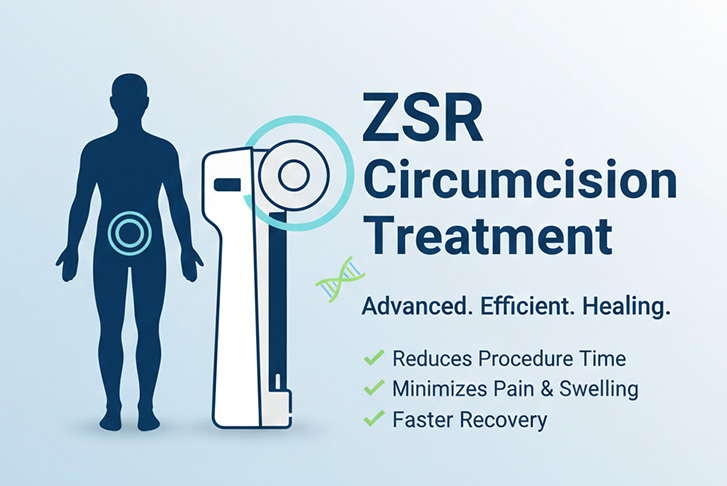

ZSR Circumcision Treatment

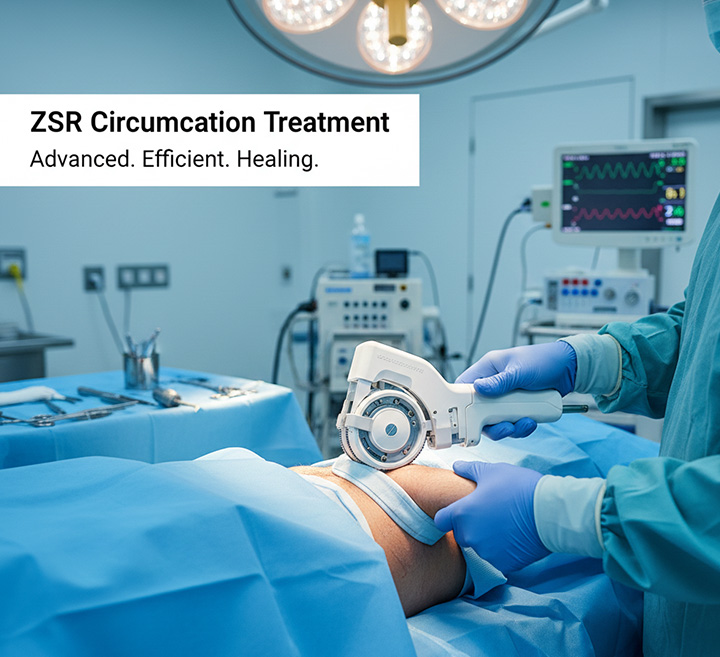
ZSR Circumcision Treatment: Faster Healing and Minimal Pain
ZSR circumcision (also called ZSR stapler circumcision) is a modern stitchless method for removing the foreskin using a disposable stapling device. The technique aims to reduce operative time, bleeding, and postoperative discomfort compared with some traditional methods. Patients often choose this method for faster recovery and a more cosmetic result.
The procedure is performed under local or general anesthesia depending on age and patient preference. It is used for medical conditions like phimosis, recurrent balanitis, or when a patient wishes elective circumcision. Proper patient selection and informed consent are essential before scheduling the operation.
Before proceeding, discuss expectations, anesthesia options, and recovery timelines with your urologist or surgeon. A preoperative check-up, including medical history and assessment of bleeding risk, is standard practice. Knowing what to expect reduces anxiety and improves outcomes.
What is ZSR Circumcision?
ZSR stands for a stapler-based circumcision system (often referenced as Zhongshan Ring or ZSR stapler) that simultaneously cuts the foreskin and seals wound edges with staples or a ring mechanism. The device essentially performs excision and hemostasis in a single action, reducing the need for traditional suturing. Device designs vary, but the goal remains consistent: precise removal with minimal tissue trauma.
The stapler method is frequently described as a day-care, quick procedure taking only minutes once anesthesia is in place. The pump-and-fire action sets wound edges and creates a sealed margin that promotes rapid healing. Many centers describe it as “stitchless” because no conventional sutures are used on the outer skin line.
Although stapler techniques are increasingly used, they require specific training and sterile single-use devices. Surgeons select the device size and confirm adequate foreskin retraction and safety rod placement to avoid injury to the glans. Device quality, sterility, and surgeon experience are critical to good outcomes.
Who Benefits From The Procedure?
ZSR circumcision is indicated for common foreskin problems and for elective adult circumcision when a quick recovery is desired. Typical medical indications include phimosis (tight foreskin preventing retraction), recurrent balanitis (inflammation), and paraphimosis that has been resolved but needs definitive management. Elective adult circumcision for hygiene, religious, or personal reasons is also commonly performed.
Typical indications and candidacy checklist:
- Phimosis causing pain or urinary symptoms.
- Recurrent balanoposthitis or infections not responsive to conservative care.
- Adult patients seeking elective circumcision for hygiene or cultural reasons.
- Patients preferring shorter operative time and potentially faster healing compared with traditional suturing.
Contraindications include active genital infection, uncorrected bleeding disorders, or anatomical variations unsuitable for the stapler device. A careful exam and preoperative labs are done when needed to confirm candidacy.
Benefits & Advantages
ZSR stapler circumcision is promoted for shorter operative time, reduced intraoperative bleeding, and more consistent cosmetic margins than some conventional techniques. Because cutting and sealing are combined, the process can be quicker and more predictable, which patients often prefer. Many surgeons report easier hemostasis and less immediate postoperative pain.
The stitchless nature often leads to a cleaner scar line and may decrease the need for postoperative suture care. Faster recovery and early return to daily activities are commonly reported outcomes, making it attractive for adult patients who cannot take long leave. Improved patient satisfaction is documented in multiple clinic reports, though high-quality comparative trials are limited.
Despite advantages, benefits depend on proper case selection, device quality, and surgical skill. Centers use antibiotic prophylaxis and modern sterile techniques to minimize infection risk and improve results. Discuss realistic expectations and cosmetic goals with your surgeon prior to treatment.
ZSR Circumcision [Step-by-step Procedure]
At Healthy Choice Aesthetic Hospital, the stapler circumcision procedure is performed with patient comfort and safety in mind. After administering local or general anesthesia and preparing the area, our surgeon positions a protective sleeve and sizes the stapler according to the patient’s anatomy. With a single activation, the device removes the excess foreskin and seals the wound, resulting in minimal bleeding and a neat, uniform incision.
Patients are observed briefly after the procedure and can usually go home the same day. We provide clear post-operative guidance on wound care, activity restrictions, and signs to watch for. Healing is typically quick, and depending on the device, the staples or rings naturally fall off as the tissue recovers.
Our follow-up care ensures smooth healing and continuous support throughout the recovery process.
Recovery & Aftercare
Immediate recovery usually involves light pain, swelling, and a small dressing that is removed within 24–48 hours per surgeon instructions. Most patients can resume light daily activities within a few days but should avoid vigorous exercise, cycling, or sexual activity for the period recommended (commonly 2–6 weeks). Analgesics, cold compresses, and keeping the area clean support comfort and healing.
Wound inspection at follow-up confirms good healing; staple rings or silicone pieces (if used) may separate naturally or be left to fall off as recommended by the device protocol. Signs that require urgent review include increasing pain, spreading redness, fever, or unusual discharge. Early contact with the clinic helps treat infection or bleeding promptly.
Longer-term care focuses on scar maturation and resuming sexual activity when safely healed. Most patients report normal function, sensation, and satisfactory cosmetic outcomes after full recovery. Keep routine urology follow-up if any problems or concerns arise.
Risks, Complications & Success Rates
All surgical procedures carry risk; for ZSR circumcision known complications include wound infection, delayed healing, bleeding, device-related issues, and in rare cases wound edge necrosis or unplanned reoperation. Infection is the most serious complication and may require antibiotics or device removal in extreme cases. Surgeons use prophylactic antibiotics and sterile technique to lower this risk.
Mechanical or device-related problems are uncommon but possible if the stapler misfires or tissue is inadequately sized. Cosmetic dissatisfaction or minor asymmetry can occur and may need revision. Reported success rates for symptom relief and patient satisfaction are high in many clinic series, but patient selection remains key.
Compare reported outcomes across centers and ask your surgeon about their personal infection and revision rates. Understanding how complications are managed and what revisions involve helps you make an informed decision before surgery. Proper perioperative care reduces the chance of adverse events.
Choosing a Clinic, Surgeon & Cost
Select a clinic with experience in stapler circumcision and a surgeon trained in the ZSR technique or equivalent stapler systems. Ask about case volume, complication rates, device brand and sterility, and whether the facility performs the procedure as day care. Patient testimonials and before/after photos can help but prioritize clinical track record and safety.
Cost depends on device pricing, anesthesia choice, facility fees, and geography; stapler devices and single-use instruments add to the material cost. Many centers offer packaged pricing that includes surgeon fees, device cost, anesthesia, and follow-ups—confirm exactly what is included and whether insurance covers indications like phimosis. Discuss payment, warranty (if any), and refund policies for device failures or revisions.
Ensure clear preoperative instructions, a written consent form detailing risks/benefits, and an emergency contact for postoperative issues. A center with proper sterilization, anesthetic support, and prompt follow-up care improves safety and patient confidence.
Summary & Patient Advice
ZSR stapler circumcision is a contemporary option for adult and selected pediatric circumcision that emphasizes speed, minimal bleeding, and a stitchless wound margin. It is especially useful for medically indicated circumcisions such as phimosis, as well as for elective adult patients seeking quicker recovery. Outcomes are generally favorable when performed by trained surgeons using proper devices and perioperative care.
Before choosing ZSR circumcision, discuss alternatives such as conventional excision, dorsal slit, or laser circumcision methods, and ask about expected recovery time and complication management. Optimize any medical conditions, avoid smoking, and follow preoperative fasting and medication advice. For postoperative concerns such as infection, severe pain, or unusual swelling, contact your surgical team at Healthy Choice Aesthetic Hospital immediately.