

Penile Implant


Penile Prosthesis Surgery (Penile Implant): Complete Treatment Guide for ED
Penile prosthesis surgery places a medical device inside the penis to restore rigidity for sexual activity. It is usually recommended after medicines, injections, or devices (like pumps) do not work or are not tolerated. The goal is predictable, reliable erections that allow intercourse and improve quality of life.
This treatment is for men with organic erectile dysfunction, severe penile deformity, or certain complicated cases after trauma or prostate surgery. Implants do not increase penis size and do not restore natural erections or fertility. A candid, pre-surgery discussion with the surgeon helps set realistic expectations.
Surgery is permanent because placing an implant changes internal tissues. Many men are satisfied after recovery, but every operation has pros and cons. Choosing a qualified urologic surgeon and understanding the process are essential first steps.
Overview of Penile Prosthesis
A penile prosthesis is an internal device that can be inflatable or semi-rigid (malleable). Inflatable implants give a flaccid and an erect state by pumping fluid into cylinders, while malleable rods keep the penis firm but bendable. Both types restore the ability for penetrative sex when used correctly.
Implants are implanted under anesthesia and are hidden beneath the skin, making them invisible externally when not in use. The decision between types depends on patient preference, manual dexterity, anatomy, prior surgeries, and cost. Most implants are made from bio compatible materials designed to last many years.
Long-term outcomes show high satisfaction rates when implants are indicated appropriately. Devices have improved over the decades to reduce infection and mechanical failure. Still, understanding durability, potential need for revision, and lifestyle fit matters before choosing surgery.
Indications for Surgery
Penile prosthesis surgery is considered when conservative treatments fail or are not suitable. Common circumstances include severe vascular or nerve damage after prostate cancer treatment, Peyronie’s disease with deformity, or long-standing diabetes-related erection failure. Many patients opt for implants after trying oral drugs, vacuum devices, or injections without adequate benefit.
Typical indications (short list):
- Refractory erectile dysfunction after medical therapy
- Severe penile curvature or deformity not corrected by simpler measures
- Prior pelvic surgery or radiation, causing irreversible erectile problems
- Patient preference for a permanent, reliable solution
Men with active infection, uncontrolled medical problems, or unrealistic expectations are not good candidates. A full medical evaluation, including labs and partner discussion, is part of the preoperative work-up.
Types of Implants (How they differ)
Two major categories exist: inflatable prostheses and malleable (semi-rigid) rods. Inflatable devices are either two-piece or three-piece systems; three-piece implants give the most natural flaccid and erect states by moving fluid from a reservoir to cylinders. Malleable rods are simpler, always firm but positioned manually for intercourse.
Each type has trade-offs: inflatables offer a more natural look and flaccidity but are mechanically more complex, while malleable rods are durable and simpler to operate but less discreet. Choice depends on patient anatomy, hand function, infection risk, prior abdominal surgeries, and personal preference. Surgeons will review device specifics, expected lifespan, and warranty information during counseling.
Implant manufacturers provide improvements like antibiotic coatings and refined mechanisms to reduce complications. Insurance coverage, device cost, and surgeon experience also affect the final choice. Patients should ask about device failure rates and what revision surgery would involve.
The Procedure (What to expect)
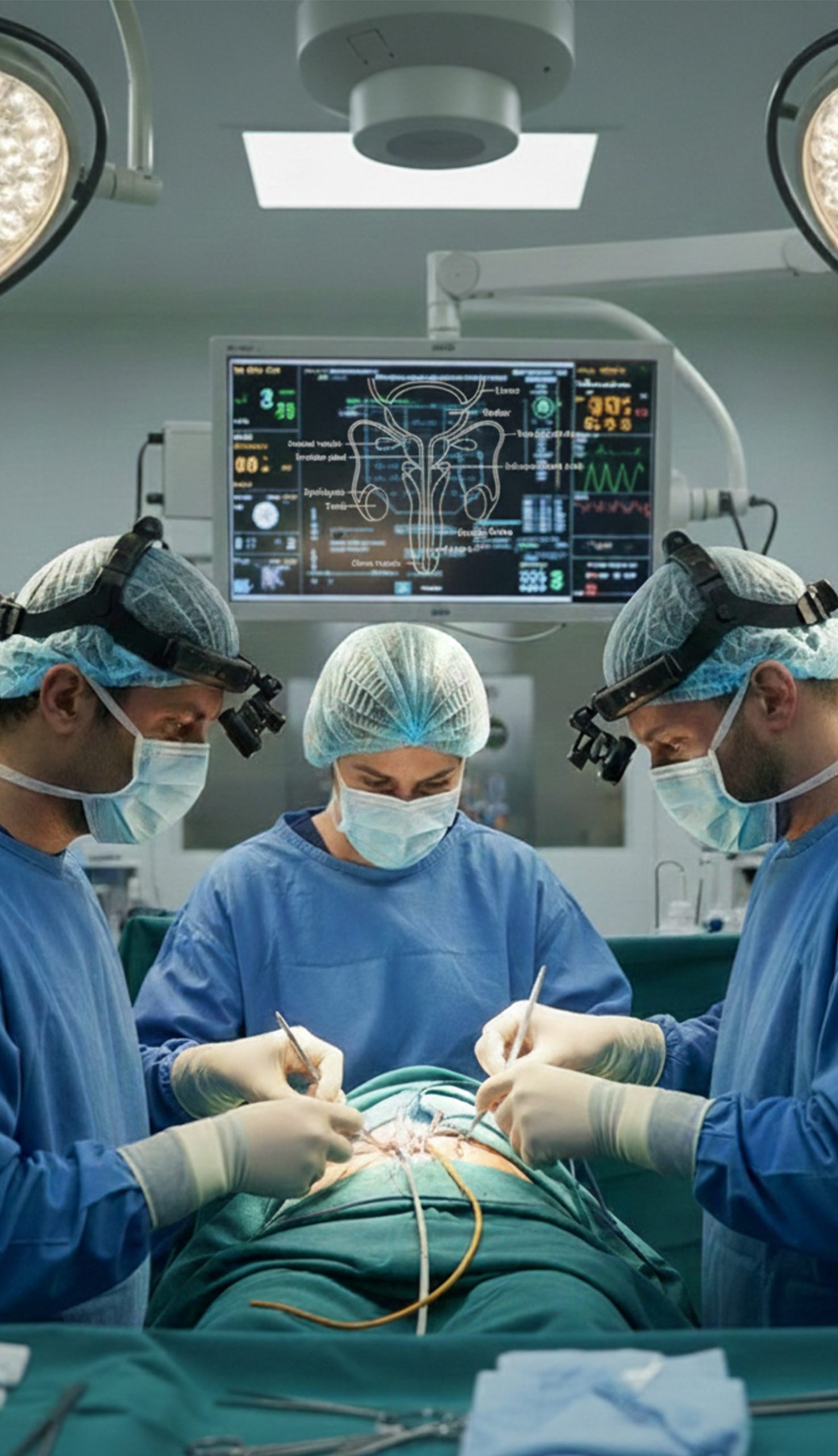
Surgery is performed under general or regional anesthesia and typically takes about one to two hours. The surgeon makes a small incision (penile, scrotal, or infrapubic), creates space inside the corpora cavernosa, and places the chosen device components. For three-piece implants, a small fluid reservoir is placed in the lower abdomen or pelvis.
After placement, the surgeon tests the implant for correct function, positions the pump (for inflatable devices) in the scrotum, and closes incisions with sutures. The implanted device is sterile and often coated with antibiotics to lower infection risk. Patients usually go home the same day or after an overnight stay, depending on their health status.
Surgeons give specific postoperative instructions about dressing care, pain control, and when to start using the device. Early follow-up checks ensure wounds heal and there are no early complications. Full activation of an inflatable implant usually occurs after several weeks when tissue healing is sufficient.
Recovery & Aftercare
Initial recovery focuses on wound care, pain control, and avoiding strain on the surgical site. Most men can return to light daily activities in a few days, but must avoid heavy lifting and sexual activity for 4–6 weeks as advised. Pain and swelling peak in the first 48–72 hours and then gradually improve with rest and prescribed medication.
Surgeons often prescribe antibiotics, analgesics, and instructions to keep the area clean and dry. Inflatable devices are not usually activated until postoperative healing is adequate; the clinic will teach the patient how to use the pump during follow-up visits. Regular follow-up visits check for infection, device position, and functional training with the implant.
Long-term maintenance is minimal for most devices, but patients should learn how to operate the system and recognize signs of malfunction or infection. If problems arise later — e.g., mechanical failure or infection — revision surgery may be required. Keeping routine medical care and managing chronic diseases reduces complication risk.
Risks, Complications & Success Rates
All surgeries carry risk; penile prosthesis surgery risks include infection, bleeding, device malfunction, and pain. Infection is the most serious complication and may require device removal; antibiotic-coated devices and perioperative antibiotics reduce that risk. Mechanical failure is uncommon but possible over the years, and a failed device can usually be replaced.
Other complications include erosion, scarring, sensory changes, or dissatisfaction with cosmetic or functional results. Most studies report high patient and partner satisfaction when the implant is used for appropriate indications. Success is measured by reliable function, return to sexual activity, and improved quality of life.
Surgeons discuss expected outcomes, infection signs, and how revision is handled before consent. Understanding the balance of benefits and risks helps men make an informed
Choosing a Surgeon & Cost Considerations
Select a board-certified urologist with experience in penile prosthesis surgery and a good track record of outcomes. Ask about the surgeon’s implant volume, infection rates, and approach to revisions. Clear preoperative counseling, photos of healed results, and patient testimonials can guide choice.
Cost varies by country, device type, and whether insurance covers the procedure; inflatable implants typically cost more than malleable rods. Many insurers cover implants for medically indicated erectile dysfunction; confirm coverage, preauthorization needs, and itemized hospital fees before scheduling.
Also consider postoperative support, clinic follow-up, and what warranties the device company offers. Choosing a center with a multidisciplinary team (urology, anesthesia, nursing) improves safety and recovery experience.
Summary & Patient Advice
Penile prosthesis surgery is a well-established option for men with persistent, treatment-resistant erectile dysfunction. It offers predictable sexual function but requires careful patient selection and informed consent. Discuss all alternatives and realistic outcomes with your urologist and involve your partner in the decision if appropriate.
Prepare medically by optimizing chronic conditions (diabetes, heart disease), stopping smoking, and following preoperative instructions. After surgery, follow wound care, attend follow-up visits, and report any fever, severe pain, or device problems immediately.
If you are considering an implant, request a consultation with an experienced urologist at Healthy Choice Aesthetic Hospital to review device options, risks, expected recovery, and insurance coverage. A clear plan and a skilled surgical team are key to a successful outcome.
विश्वसनीय, सुरक्षित, र स्थायी – Healthy Choice penile implant