

Microscopic Varicocelectomy Surgery

Microscopic Varicocelectomy Surgery for Male Fertility
Microscopic varicocelectomy is a precise surgical technique to treat varicocele, a condition where veins in the scrotum become enlarged and affect testicular function. It is performed under magnification using a microscope, allowing surgeons to carefully repair affected veins while preserving surrounding structures. This modern approach aims to restore proper blood flow and improve testicular health without extensive tissue damage.
The procedure is minimally invasive and commonly done on an outpatient basis. It reduces the risk of complications compared with traditional varicocelectomy techniques. Patients usually experience less pain and quicker recovery, making it an attractive option for men concerned about fertility and long-term testicular function.
Microscopic varicocelectomy is often recommended for men experiencing infertility, scrotal discomfort, or testicular atrophy due to varicocele. By targeting only the affected veins and sparing arteries and lymphatics, this approach ensures precise correction. It is considered the gold standard for treating clinically significant varicoceles with optimal outcomes.

What is Varicocelectomy?
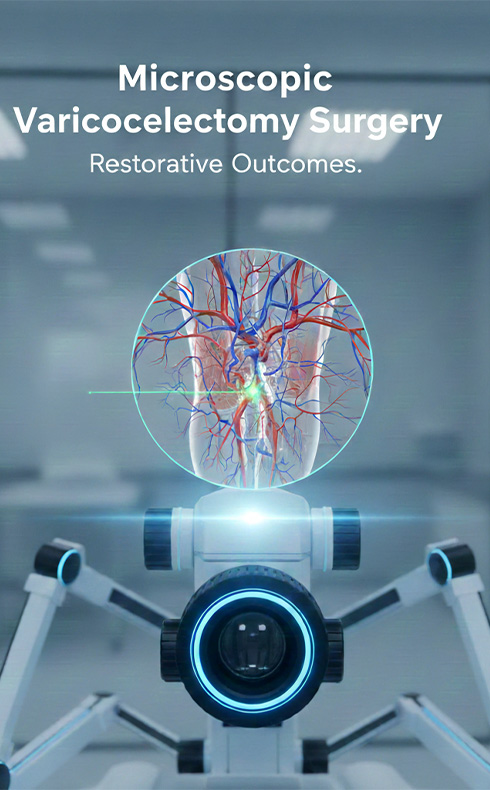
Microscopic Varicocelectomy is a surgical treatment aimed at repairing dilated veins in the scrotum. These enlarged veins can impair testicular function, reduce sperm quality, and cause discomfort. The goal of surgery is to restore normal blood flow and improve fertility potential in affected men.
Traditional varicocelectomy techniques include open surgery and laparoscopic approaches. Microscopic varicocelectomy, however, uses an operating microscope for enhanced precision. This method reduces the risk of damaging arteries, lymphatic vessels, and nerves surrounding the spermatic cord.
The surgery can be performed under local, regional, or general anesthesia, depending on the patient’s condition. It is usually completed within 1–2 hours, and most patients return home on the same day. Pre-operative evaluation includes a physical exam, scrotal ultrasound, and sometimes semen analysis.
How Microscopic Varicocelectomy Works?
During microscopic varicocelectomy, the surgeon identifies the dilated veins through a small incision above the scrotum. Using a surgical microscope, the veins causing reflux are ligated while preserving critical arteries and lymphatics. This precise approach ensures improved outcomes with minimal post-operative complications.
The surgery corrects blood pooling in the affected veins, reducing scrotal pressure and temperature, which can negatively affect sperm production. Improved circulation also alleviates discomfort or heaviness commonly reported in men with varicocele.
By using magnification, surgeons can avoid injury to surrounding structures, lowering the risk of hydrocele formation or testicular atrophy. Microscopic visualization also allows identification of smaller veins that may be missed in conventional surgery, enhancing long-term success.
What to Expect from the Procedure?
Patients usually undergo preoperative assessment including blood tests and imaging. The surgery is performed under anesthesia, and a small incision is made above the testicle to access the spermatic cord. Using a microscope, surgeons ligate the problematic veins while sparing arteries and lymphatics.
The operation typically lasts about 1–2 hours, after which patients can go home the same day. Postoperative discomfort is usually mild and can be managed with over-the-counter pain medication. Patients are advised to rest, avoid strenuous activity, and wear supportive underwear during the initial recovery period.
Follow-up visits are scheduled to monitor healing and assess improvement in symptoms or sperm parameters. Full recovery may take a few weeks, but most men resume normal daily activities within 1–2 weeks. Compliance with postoperative instructions improves outcomes and minimizes complications.
Benefits of Microscopic Surgery
Microscopic varicocelectomy offers multiple advantages over traditional approaches. It is minimally invasive, precise, and associated with lower recurrence rates. Preservation of arteries and lymphatic vessels reduces the risk of testicular atrophy and hydrocele formation.
The surgery also improves fertility potential by restoring optimal testicular function and blood flow. Patients report less postoperative pain, quicker recovery, and higher satisfaction compared with open or laparoscopic varicocelectomy.
Because of the magnification used, surgeons can identify and correct even small veins that contribute to varicocele. This enhanced precision improves long-term success and reduces the likelihood of requiring repeat surgery.
Who are the Ideal Candidates?
Men with clinically significant varicocele and fertility concerns are ideal candidates for microscopic varicocelectomy. It is also recommended for men experiencing scrotal discomfort or testicular atrophy.
Patients with abnormal semen parameters and diagnosed varicocele often benefit most from this surgery. Young men with persistent varicocele-related pain may also be considered candidates to prevent further testicular damage.
A thorough evaluation by a urologist, including physical examination and imaging, helps determine if the procedure is appropriate. Men with complex medical conditions or bleeding disorders require additional assessment to ensure safety.
Safety & Side Effects
Microscopic varicocelectomy is considered a safe and effective procedure when performed by experienced surgeons. The use of magnification minimizes the risk of complications and improves surgical precision.
Common side effects include mild pain, swelling, or bruising at the incision site, which typically resolve within days. Rare complications may include hydrocele formation, infection, or recurrence of varicocele, but these are significantly reduced compared with traditional surgery.
Postoperative monitoring ensures early identification of any issues. Following the surgeon’s instructions regarding activity and wound care is crucial for a safe recovery.
Recovery and Follow-up
Patients are advised to rest for the first few days after surgery and wear supportive underwear. Light activity can usually resume within a week, while strenuous exercise and heavy lifting should be avoided for 3–4 weeks.
Follow-up appointments include assessment of incision healing, scrotal examination, and sometimes repeat semen analysis to evaluate improvement in fertility parameters. Compliance with follow-up and lifestyle guidance enhances the success of the surgery.
Most men notice reduction in scrotal discomfort within weeks, while improvements in fertility may take several months. Long-term monitoring ensures the procedure meets its therapeutic goals.